


 교육
교육

- “마이크론, 주가 싸도 저평가 우량주 안심해선 안 돼”
- 美정계 떠난 ‘한국사위’ 호건, 초당파 리더십 연구소 설립
- AI 반감 끓는 美…에릭 슈밋 인공지능 옹호 연설에 ‘야유 세례’
- 텍사스 오스틴 공포의 주말…시내 곳곳 돌며 총격에 4명 부상
- ‘트럼프 걸림돌’ 하원의원 낙선 광고에만 3천200만 달러…최고 기록
- ‘초대받지 않은 트럼프 특사’, 덴마크령 그린란드 방문
close
- 게이츠 재단, 마지막 마이크로소프트 주식까지 전량 매각
- “블랙록, 스페이스X 상장에 최대 100억 달러 투자 검토”
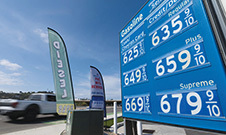
- 미국인, 이란전 여파에 연료비로만 450억달러 더 썼다
- 억만장자 애크먼, 구글 팔고 MS에 베팅… “AI·클라우드 저평가”
- “집 사기 위한 저축계획 짜줘”…챗GPT, 미국서 재무설계 서비스
- 넷플릭스, 인공지능으로 애니 만든다…생성형 AI 스튜디오 신설
close

- ‘아들 단장 아빠 감독’ MLB 필라델피아, 성적 수직 상승
- ‘아쉬운 수비→안타로 만회’ 대수비 출전 송성문, 2G 연속 안타... 팀은 NL 서부 공동 선두 질주
- ‘월드컵 탈락’ 아쉬움 삼킨 이승우 “아쉽고 슬펐지만, 감독님 선택 존중”
- 아! 김하성, 9회말 2사 만루에서 ‘아찔한’ 직격 타구 날려→그래도 1루까지 전력질주! 몸까지 던졌다... 끝내 불운 속 ‘3G 연속 침묵’
- 말 많았던 시즌, 이번에도 끝은 챔피언이었다... 김민재, 우승 메달 걸고 맥주잔 포효
- 북한 내고향여자축구단 입국…안 웃고 앞만 보며 1분여만에 공항 빠져나가
close

- 배에 힘주면 뇌가 청소된다 치매 막는 ‘3초 복근 펌프’ 움직임
- “몸보신 하려다 염증 폭탄”…여름마다 먹던 ‘국민 보양식’의 불편한 진실
- ‘어릴 때 살은 키로 간다’?…무리한 감량 대신 찌는 속도 조절을
- 슬기로운시니어생활 57회
- “간편해서 매일 ‘오이’ 먹었더니”… 혈압 뚝 떨어진다는 놀라운 결과
- 65세 넘었다면 필독… 치명적인 심방세동 막는 10가지 수칙
close
- ‘이제는 성인’ 마음가짐부터… 대학 새내기 성공 가이드
- 갈수록 치열해지는 의대 입시 경쟁… 꼭 알아야 할 입시 트렌드
- “실패할 수밖에 없는 재정보조의 기준”
- AI 시대에 생존할 전공 준비
- LAC의 두 얼굴: 양극화 시대의 생존 전략
- 대기자 명단을 기회로… 전략적 LOCI 한 통이 합격 좌우
close

- [임영빈 박사 건강 칼럼] 근력을 원한다면, 근육을 먹어라!
- 온종일 스마트폰 끼고 살더니… 성인 환자 46% 뛰었다
- “제대로 먹지도 못한다고?”… 위암 수술의 오해와 진실
- 비만이 만병의 근원?… ‘치매’ 환자라면 저체중보다 낫다
- [위클리 건강] “감기인 줄 알았는데”…봄철 반복 기침, ‘천식’일 수도
- “비트 한 잔의 힘”… 심장 건강 지키는 ‘질산염 식품’ 주목
close

- 티라노 출몰 열대우림에 ‘다이빙’… 오키나와 대자연 속 테마파크
- 박찬욱이 열고 나홍진이 당긴다 … 칸의 중심에 선 K-무비
- 가장 별이 잘 보이는 이곳… 한국 유일 ‘다크스카이’ 보호구역
- 국제 합작영화 제작의 여러 가지 난제 등 다뤄
- 해결하지 못한 과거와 연결 되면서 일어나는 멜로드라마
- ‘불’과 ‘얼음’, 그리고 빛의 커튼 ‘오로라’
close

- 한도 일정 비율 초기 의무 인출… HELOC 대출 조건 강화
- 다운페이는 반드시 20%?…모기지 오해가 내 집 마련 막아
- 아만 베버리 힐스가 선사할 럭셔리의 정의
- ‘실비치와 라구나우즈’ 비교후 결정적 차이는
- LA 렌트비 안정세 진입… 2022년 대비 약 11% 하락
- LA시 건축 인허가 대폭 간소화… 재건 속도 높이기 위해
close

- YG 측 “빅뱅 팬클럽 V.I.P 6기 모집..콘서트 티켓 선예매 혜택”
- 김보미, 응급실 行 반복하다 결국 긴급 수술.. “요로결석 통증 심각”
- 4년만 홈커밍 데이..방탄소년단, 부산서 데뷔 14주년 ‘더 시티’ 컴백
- MC몽, 차 회장 관련 연예인 실명 폭로 예고..MBC ‘PD수첩’까지
- 박찬욱, 칸 영화제 심사위원장→佛 최고 문화예술공로훈장 코망되르 수훈
- 고우림♥김연아, 게임 때문에 부부 싸움 “쳐다도 안 봐”
close
The Fire of Prometheus


Uyun Choi 학생기자 요바린다 고교 10학년
The outcome persists, but the act dissolves; and in that same void left behind by the act, the human mind, once substantial and vibrant, becomes nothing more than a sheet of clear plastic- a thin, fragile, and somewhat repulsive blemish.
But the real issue is that while AI provides information, it is also transforming how people form their opinions. Individuals prefer quick summaries over deep knowledge and seek instant gratification rather than taking time for thoughtful reflection. While convenience is a valuable trait, using it as the primary standard for thought often overshadows the importance of reflection and truth. Thought turns into labor; investigation turns into an endless chore of delay; even judgment, the last frontier of human freedom, is tranquilly outsourced- to the submission of one‘s soul to the immaculateness and abhorrence of a machine, to the envelopment of one’s pure thought in some pristine yet abhorrent matter, in some translucent shell in which the rot of contemplation can quietly fester.




In the end, humanity transforms into something different- no longer a realm of thinkers, but one that feeds on the decayed remnants of thought. Artificial intelligence can certainly guide us toward a more convenient life. However, whether such convenience benefits us depends not on the technology itself, but on how we choose to use it. With the same tool, some will use it to expand their minds, while others will let machines think for them. If all our decisions are left entirely to AI without human reflection, our ability to analyze information and judge situations will inevitably diminish.
And there we stand: are we to be creatures capable of making wiser choices through such technology, or will we be lost in the numbing comfort of simplicity, absolved even from the responsibility of making choices? The era of AI has already begun, but its destination is still unwritten- and perhaps what is most frightening, but also most magnificent, is that we ourselves still hold such power.
<Uyun Choi 학생기자 요바린다 고교 10학년>
로컬뉴스
more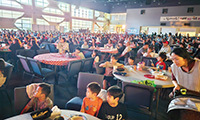
은혜한인교회 ‘기독 영화 감상회’
풀러튼에 소재한 은혜 한인교회(담임 한기홍 목사)의 문화 사역국 (담당교역자 김현철 목사)은 오는 23일(토) 저녁 6시 비전센터 2층 친교실…
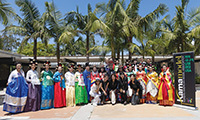
카마 시니어 모델협회 ‘효잔치’ 패션쇼 선보여
‘카마 시니어 모델협회’(회장 박영미)는 9일 부에나팍 시니어센터에서 열린 제7회 어버이 효잔치에서 궁중의상 패션쇼 공연을 펼쳤다.이날 공연에…
‘디카시의 세계화’ 세미나 김종회 회장 초청 28…
‘한국 디카 시인협회 OC 지부’(회장 성민희)는 오는 28일(목) 오후 2-4시까지 오렌지한인교회(643 W. Malvern Ave. Ful…
건설 산업 커리어 개발 패널 토론회 19일 개최
가든그로브 시는 오는 19일(화) 오전 10시30분부터 오후 2시까지 커뮤니티 미팅 센터 A룸(11300 Stanford Ave)에서 공공 부…
“우리 시대의 진정한 영웅…존경과 감사”
친목과 봉사를 목적으로 하는 비영리 한인 단체인‘한마음 봉사회’(회장 김선옥)는 14일 오전 가든그로브 한인타운에 있는 OC한인회관에서 올해 …
사람·사람들
more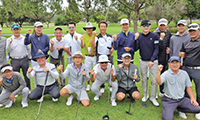
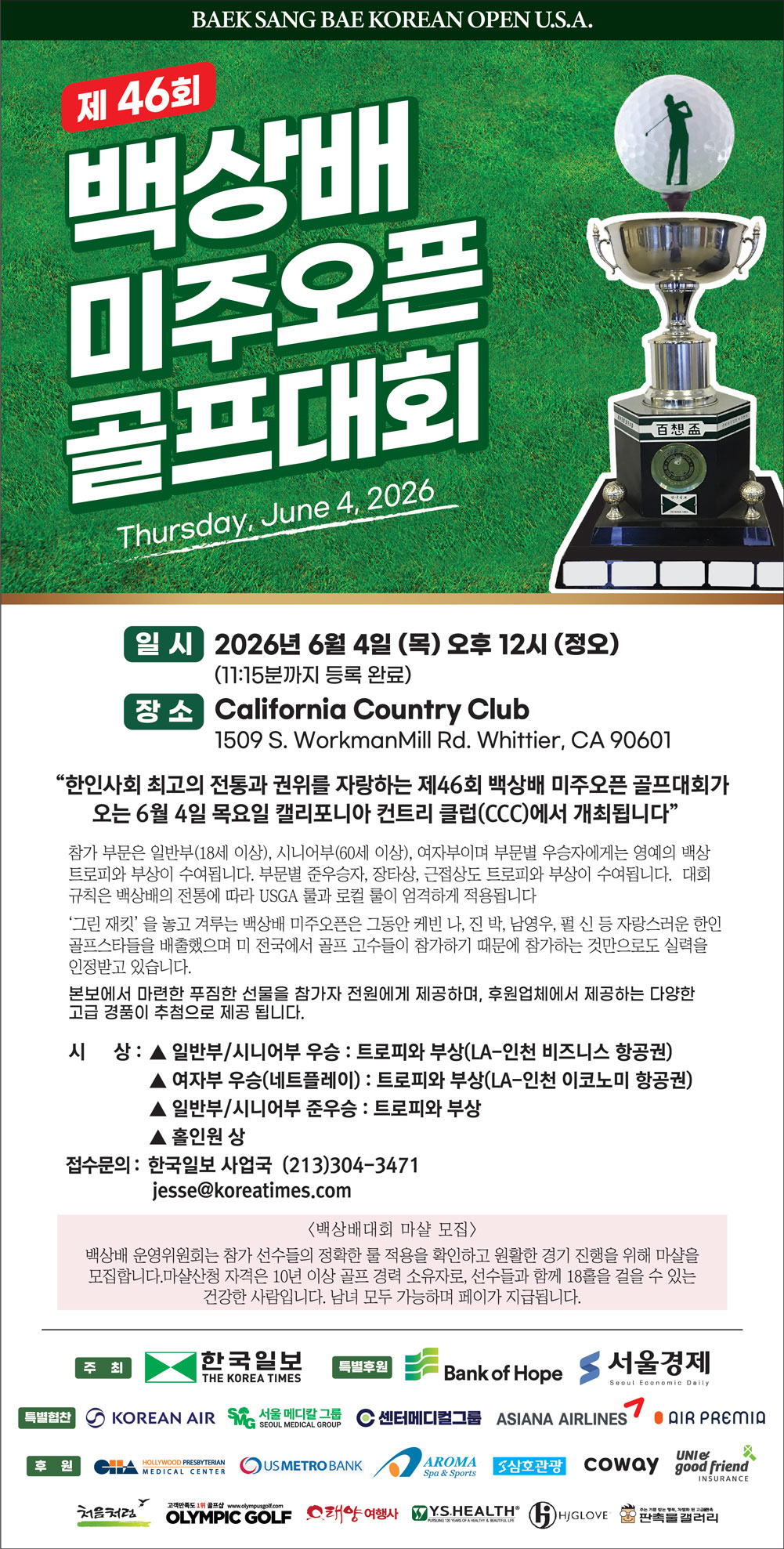
남가주 최강 골프 모임 ‘KAGA’… 백상배 전원 도전
남가주 한인 골프계에서 ‘가장 실력 있는 골퍼들의 모임’으로 불리는 ‘미주한인골퍼모임(KAGA·회장 윤규현)’이 오는 6월 4일 열리는 제46…

한인 고교생, 세계적 체임버 음악 콩쿠르 정상
남가주 한인 고교생이 세계적인 권위의 챔버 음악 콩쿠르에서 우승을 차지했다.주인공은 노스할리웃 고교 수재 매그닛 프로그램 10학년에 재학중인 …
청소년 ‘통일골든벨’ 내일 LA 평통 주최 1
LA 평통(회장 장병우)가 16일(토) ‘2026 민주평통 청소년 통일골든벨 퀴즈대회’를 개최한다.이번 대회는 미주 지역 중·고등학생과 한국학…
“K-민주주의 기리는 축제” 4
왼쪽부터 정성업 남가주 호남향우회장, 김철웅 LA 5·18 기념사업회장, 이사효 음악총감독.오는 18일 ‘5·18 광주민주화운동 46주년 기념…
코윈 퍼시픽 LA, 5월 월례회
세계한민족여성네트워크 퍼시픽 LA(KOWIN 퍼시픽 LA·회장 조미순)가 지난 6일 LA 아로마센터 5층 뱅큇홀에서 5월 정기 월례회를 개최했…
한국일보 안내광고
- 렌트/리스/하숙
- 구인구직
- 중고차
- 전문업체



- 1
 합법적 영주권자도 대규모 재심사 착수
 - 2
 “베세라 상승세”… 가주지사 결선행 부상
 - 3
 ‘못 받을거야’ 섣부른 짐작 금물… 대학 재…
 - 4
 자바시장서 짝퉁 명품 대량 유통… 1천만불 …
 - 5LA 겨냥 테러 날 뻔 본토 공격모의 체포
- 6
 박찬욱 칸 심사위원장 프랑스 최고 문화훈장
 - 7
 뼈 건강 지키는 식탁의 힘… 골다공증 예방 …
 - 8남가주 대형 산불 경보 앤틸롭 밸리서 또 발화
- 9트럼프 “대만은 협상 카드”… 중 “관세 인하 합의”
- 10
 ITIN(납세자 번호) 이원화로 ‘불체자 식…
- 11호스피스 10억불 메디케어 사기 적발
- 12건설 산업 커리어 개발 패널 토론회 19일 개최
- 13
 ‘클린톡’ 따라하다 집·건강 모두 망쳐… 피…
 - 14
 천정부지 개솔린 값… 전기차 얼마나 절약될까…
 - 15“노트북 열고 다니는 개발자 사라진다”
- 16재외국민 고령화 급가속…65세 이상 25% 넘어 급증
- 17
 “외식·여행 포기… 연료비로만 수백억달러 더…
 - 18“참가자, 상금 홀 아닌 것 알고 있었다”
- 19무역협정 미 투자 가시화…반대급부로 통화스와프 제안
- 20한달새 70조 넘게 늘어난 ETF… 성장세 지난해보다 7배 빨랐다
- 21이민국 지문 날인
- 22
 렌더가 손님의 은행거래내역서에서 살피는 내용…
 - 23
 러·우크라 전쟁 ‘악화일로’… 도심 난타전
 - 24“이민 신청서, 서명 하나 잘못하면 바로 기각”
- 25투키디데스 함정과 수정주의세력 함정
- 26예비선거 유권자 등록 오늘 마감
- 27메모리얼데이 연휴 앞두고 여행비용 ‘쇼크’
- 28
 MC몽, 차 회장 관련 연예인 실명 폭로 예…
 - 29
 한인타운 인근 맥아더팍 ‘마약 소탕전’ 확대
 - 30영국, 10년 새 7번째 총리 나오나








오피니언
 옥세철 논설위원
투키디데스 함정과 수정주의세력 함정
 전지은 수필가
 흔들리는 꽃잎이 되어
 최형욱 / 서울경제 논설위원
[만화경] 유럽의 세입자 오디션

음주운전, 더 이상은 안된다
-
투표는 권리이자 한인사회의 힘
- 김정곤 서울경제 논설위원
[만화경] K증시의 꿈 ‘한국판 골드만삭스’
- 정재왈 서울시립교향악단 대표
[로터리] 대타 연주자가 홈런을 치는 순간
- 이영태 한국일보 논설위원
[지평선] ‘스페이스K’ 탄생의 꿈
- 이리나 수필가
[윌셔에서] 망치 소리에 깨어난 인생 2막
지사별 뉴스

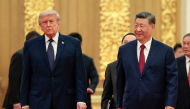
미·중 정상회담… ‘황제의 제단’ 앞에 선 트럼프와 시진핑
도널드 트럼프 대통령과 시진핑 중국 국가주석이 14일(현지시간) 베이징 인민대회당에서 미·중 정상회담을 가진 후 텐탄(천단) 공원으로 자리를 …
불체자 식별 위해 ‘ITIN(납세자 번호) 발급’ 개편 추진

“보험청구 마구잡이 삭감 안돼”
버지니아 주하원 아이린 신(Irene Shin) 의원이 발의한 ‘AI 부당 다운코딩 방지법’(HB 484)을 비롯해 일련의 건강보험 개혁법안들…
덜레스 공항 220억 달러 재건축

한미정상, 미중회담·한반도평화 논의…팩트시트 충실이행 공감
이재명 대통령이 17일(이하 한국시간) 오후 관저에서 도널드 트럼프 대통령과 통화를 하고 최근 진행된 미중 정상회담 결과를 포함해 국제정세 및…
글로벌 어린이재단 SF지부, 어린이 돕기 골프대회



















 | ||
|



- 로그인
- 회원가입
Koreatimes.com 서비스는 Ktown1st.com과 통합계정입니다. 계정이 없으신 분은 회원가입을 해 주세요.
.png)



댓글 안에 당신의 성숙함도 담아 주세요.
'오늘의 한마디'는 기사에 대하여 자신의 생각을 말하고 남의 생각을 들으며 서로 다양한 의견을 나누는 공간입니다. 그러나 간혹 불건전한 내용을 올리시는 분들이 계셔서 건전한 인터넷문화 정착을 위해 아래와 같은 운영원칙을 적용합니다.
자체 모니터링을 통해 아래에 해당하는 내용이 포함된 댓글이 발견되면 예고없이 삭제 조치를 하겠습니다.
불건전한 댓글을 올리거나, 이름에 비속어 및 상대방의 불쾌감을 주는 단어를 사용, 유명인 또는 특정 일반인을 사칭하는 경우 이용에 대한 차단 제재를 받을 수 있습니다. 차단될 경우, 일주일간 댓글을 달수 없게 됩니다.
명예훼손, 개인정보 유출, 욕설 등 법률에 위반되는 댓글은 관계 법령에 의거 민형사상 처벌을 받을 수 있으니 이용에 주의를 부탁드립니다.
Close
x