


 뉴욕타임즈
뉴욕타임즈
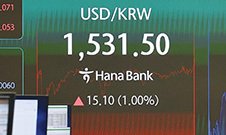
- 오늘 한인타운 음주단속 웨스턴·베니스에 검문소
- 미셸 박 인준안 상원 외교위 통과
- ‘미친 환율’… 1,540원도 뚫렸다
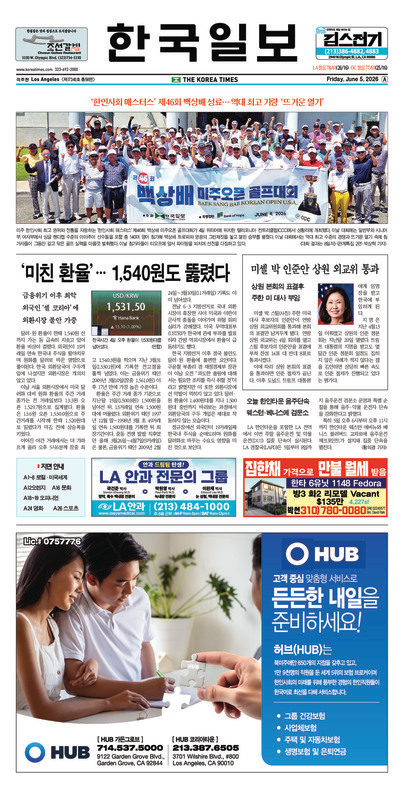
- ‘한인사회 매스터스’ 제46회 백상배 성료… 역대 최고 기량 ‘뜨거운 열기’
- 세대 아우른 골프 축제… 한국 비즈니스 항공권 등 풍성한 시상
- ‘백상배’ 역대 최고 열기… 최강자들 치열한 ‘명승부’
close

- 올해 기업 전환사채 발행 사상 최대
- 금, 중앙은행 외환보유액서 미 국채 넘어
- US 메트로 은행, 소매업체 40곳에 20만달러 지원
- 사모대출펀드에 환매 압박 지속
- 기업들,‘저채용·저해고’ 기조 지속
- “단합·세대교체로 새로운 도약… 한인 경제발전 기여”
close

- [전익환 프로의 골프교실] 스윙의 시작
- 브런슨 30득점… 뉴욕, 적지서 파이널 먼저 1승
- 이정후, 멀티히트로 11경기 연속 안타…김하성, 5경기 만에 안타·타점
- 홍명보호, 월드컵 마지막 평가전서 엘살바도르에 1-0 승리
- 월드컵 일주일 앞… ‘붉은 악마’ 향하는 멕시코는 안전할까
- 김시우, PGA 투어 메모리얼 토너먼트 1R 공동 23위…임성재 33위
close
- 수많은 생선 썩히며 새로운 맛 찾았다… ‘피시 샤퀴테리’ 도전기
- 정어리 없는 사르데냐, 올리브 열리는 서귀포
- 일본인데 ‘사케’가 없다? 오키나와에선 ‘아와모리’ 마신다
- 슬기로운시니어생활 58회
- 한국적 닭맛 보여준 야키토리… 냉철한 눈으로 ‘살아남을 맛’ 찾았다
- 배에 힘주면 뇌가 청소된다 치매 막는 ‘3초 복근 펌프’ 움직임
close
- 대학 학비 마련 막막하다면?… 민간 대출로 부족분 충당
- 졸업생들에게 주는 메세지
- “연방정부 학자금 융자제한 적신호”
- AI 시대, 우리 아이가 알아야 할 10가지 기술
- 38만달러짜리 졸업장, 누가 감당할 수 있나
- ‘못 받을거야’ 섣부른 짐작 금물… 대학 재정보조 신청 요령
close
- “찬물 샤워가 답 아니었다”… 폭염 속 체온 뚝 떨어뜨리는 의외의 ‘맥박점’
- 암수술 후 ‘림프 부종’ 나타나면 병원으로 달려가세요
- [건강포커스] “단백질 섭취 적은 노인, 근력약화·일상생활 장애 위험 높아”
- [임영빈 박사 건강 칼럼] 파킨슨병 치료, 어렵지만 할 수 있다.
- “여름에 무조건 챙겨 먹어라”… 수박 속 성분 심혈관 살린다
- 양치 ‘333법칙’ 믿고 따랐는데… 오히려 이빨 다 상할 수 있다는데
close

- “정원인데 꽃이 없네?”… 꽃 대신 쇠기둥 심은 ‘이상한’ 정원
- 두 사람에 관한 사랑의 우화요 로맨틱 판타지
- ‘내면이 붕괴되가는 여인의 초상화이자 성격탐구 드라마’
- 이름만 들어도 설레는 예술과 낭만, 정열의 나라를 가다
- 빌리 아일리시 라이브 인 3D‘경험’의 경계를 허물다
- “절대 돌아가지 않을 거야”… 자유를 향한 두 여자의 질주
close

- 치솟는 주택 보험료…‘보장 부족’ 주택 증가
- 어디 빈 방 없나요?… 룸메이트 찾는 고령층 늘어
- 집값은 내리고 이자는 높다… 지금이 기회일까?
- 양도소득세와 ‘2년 실거주’의 마법
- ‘렌트 백’으로 계약부터 성사?…예상치 못한 위험 더 커
- ‘편안함·기능성’ 강조… 최신 웰빙 주거 트렌드
close

- 한지민♥최정훈, 눈물 한 번에 뜬금포 결별설 해프닝.. “잘 만나고 있어”
- 엑소 시우민, 日 행사 돌연 무산..알고 보니 사기 계약 정황 포착
- 유승준 “이제 그만하려 한다, 용서 부탁” 24년의 싸움 끝내며
- 양상국 가고 유노윤호·곽범 왔다.. ‘쩐의 전쟁’ 전라도로 세계관 확장 [놀면 뭐하니]
- 한효주, 어린이 위해 5천만원 기부
- “투표용지 못 받으면 가만히 있겠냐”… ‘야인시대’ 장면, 2026년 지방선거서 소환
close
Springtime for Scammers


OK, it’s true that our so-called president — hey, if he can say that about a judge who ruled against him, surely we can say that about him — is channeling the racism and bigotry of some ordinary Americans, and in so doing sticking it to squeamish elites that take the Constitution both seriously and literally. But so far his economic policies are all about empowering ethically challenged businesses to cheat and exploit the little guy.
In particular, he and his allies in Congress are making it a priority to unravel financial reform — and specifically the parts of financial reform that protect consumers against predators.




Last week Mr. Trump released a memorandum calling on the Department of Labor to reconsider its new “fiduciary rule,” which requires financial advisers to act in their clients’ best interests — as opposed to, say, steering them into investments on which the advisers get big commissions. He also issued an executive order designed to weaken the Dodd-Frank financial reform, enacted in 2010 in the aftermath of the financial crisis.
Both moves are very much in line with the priorities of congressional Republicans and, of course, the financial industry. For both groups really, really hate financial regulation, especially when it helps protect families against sharp practice.
Why, after all, was the fiduciary rule created? The main issue here is retirement savings — the 401(k)’s and other plans that are Americans’ main source of retirement income over and above Social Security. To invest these funds, people have turned to financial professionals — but most probably weren’t aware that these professionals were under no legal obligation to give advice that maximized clients’ returns rather than their own incomes.
This is a big deal. A 2015 Obama administration study concluded that “conflicted investment advice” has been reducing the return on retirement savings by around one percentage point, costing ordinary Americans around $17 billion each year. Where has that $17 billion been going? Largely into the pockets of various financial-industry players. And now we have a White House trying to ensure that this game goes on.
On Dodd-Frank: Republicans would like to repeal the whole law, but probably don’t have the votes. What they can do is try to cripple enforcement, especially by undermining the Consumer Financial Protection Bureau, whose goal is to protect ordinary families from financial scams.
Unlike other parts of Dodd-Frank, which are supposed to reduce the risk of a future financial crisis — and won’t be fully tested until the next major shock hits — the bureau is designed to deal with problems that afflict consumers in good times and bad. And by all accounts it has been a huge success, increasing transparency, reducing fees, and exposing fraud. Remember the Wells Fargo scandal, in which the bank was found to have signed millions of customers up for accounts, credit cards, and services without their consent or knowledge? This scandal only came to light thanks to the bureau.
So why are consumer protections in the Trump firing line?Gary Cohn, the Goldman Sachs banker appointed to head Mr. Trump’s National Economic Council — populism! — says that the fiduciary rule is like “putting only healthy food on the menu” and denying people the right to eat unhealthy food if they want it. Of course, it doesn’t do anything like that. If you want a better analogy, it’s like preventing restaurants from claiming that their 1400-calorie portions are health food.
Mr. Trump offers a different explanation for his hostility to financial reform: It’s hurting credit availability. “I have so many people, friends of mine that had nice businesses, they can’t borrow money.” It would be interesting to learn what these “nice businesses” are. What we do know is that U.S. banks have generally shunned Mr. Trump’s own businesses — from which, by the way, he hasn’t separated himself at all — perhaps because of his history of defaults.
Other would-be borrowers, however, don’t seem to be having problems. Only 4 percent of the small firms surveyed by the National Federation of Independent Business report themselves unsatisfied with loan availability, a historic low. Overall bank lending in the United States has been quite robust since Dodd-Frank was enacted.
So what’s motivating the attack on financial regulation? Well, there’s a lot of money at stake — money that the financial industry has been extracting from unwitting, unprotected consumers. Financial reform was starting to roll back these abuses, but we clearly now have a political leadership determined to roll back the rollback. Make financial predation great again!
<PAUL KRUGMAN>
로컬뉴스
more
“한국어 학습 열정 뜨거웠어요”
“그동안 배운 한국어 실력 겨루었어요”KAC 어바인 세종학당(대표 태미 김)는 지난달 29일, 30일 양일간 강의실에서 그동안 갈고 닦은 학생…

“가정 예배문화 확산 촉매제”
한인 이민 가정의 신앙 회복과 다음 세대 신앙 전수를 목표로 개최된 ‘2026 가정예배 공모전’의 시상식이 지난달 22일 동부 사랑의 교회에서…
화학 물질 누출 피해…업체 지원 방안 모색
가든그로브 시는 화학 물질 누출 우려로 인한 경제적 피해를 입었을 수 있는 지역 업체들을 지원하기 위한 방안을 모색하고 있다.시는 현재 피해 …
사이프레스 시니어 센터 커뮤니티 리소스 페어
사이프레스 시니어 센터는 오는 12일(금) 오전 9시부터 정오까지 이 센터(9031 Grindlay St.)에서 커뮤니티 리소스 페어를 갖는다…
“태권도 교육 확대 협조 요청”
윤웅석 국기원장이 최근 오렌지카운티를 방문해 부에나팍, 풀러튼, 어바인 시의원들을 만나서 태권도의 교육적 가치와 사회적 역할을 설명하고 협력 …
사람·사람들
more
‘한반도 평화관리’… LA 평통 2분기 정기회의
민주평통 LA협의회(회장 장병우)는 지난 2일 가든스윗 호텔에서 자문위원 120여 명이 참석한 가운데 2026년 2분기 정기회의를 개최했다. …

외교부 방문단 LA 독립운동 사적지 방문
외교부 최충환 장관정책보좌관을 비롯한 방문단이 지난달 24일 LA 지역 미주 한인 이민 초기 역사와 독립운동 사적지를 방문했다. 방문단은 US…
LA 무궁화 봉사회, 매주 무궁화 가꾸기 활동
LA 무궁화 봉사회(회장 윤태환)가‘무궁화 사랑 나라 사랑’을 기치로 매주 봉사활동에 참여하고 있다. 회원들은 매주 토요일 맥아더팍과 올림픽경…
‘다함께 차차차’ 설운도가 온다 1
미주 한인사회의 대표 한국어 방송인 라디오서울(AM 1650)이 오는 6월27일(토) 오후 7시 팜스프링스 소재 판타지 스프링스 리조트 카지노…
박헌성 목사 원로목사 추대 예배
LA 열린문교회(담임 이광훈 목사)의 원로목사 추대 감사예배가 오는 7일(일) 오후 2시에 열린다. 교회 측은 이날 LA 열린문교회 설립자인 …
한국일보 안내광고
- 렌트/리스/하숙
- 구인구직
- 중고차
- 전문업체



- 1
 美, 이란 해안 군시설 폭격…이란, 걸프국 …
 - 2
 삼소·치킨회동서 유쾌한 맏형 최태원…고기굽던…
 - 3
 장근석 “♥하지원과 첫키스, 실제로 좋아했다…
 - 4
 양정원 남편, 강남서 수사팀장에 ‘룸살롱 접…
 - 5
 靑, 美보수인사 ‘韓비판 WSJ칼럼’에 “왜…
 - 6
 윤석열, 종합특검 첫 출석… ‘계엄 정당화 …
 - 7
 인도 “미국과 1단계 무역 협정, 다음 달 …
 - 8
 “76년전 희생·헌신 잊지 않겠습니다” 美참…
 - 9
 李대통령 “배신 단죄해야 정의로운 통합…친일…
 - 10
 트럼프 “이란 자존심 세다”…종전합의 ‘시간…
- 11
 캐런 배스 시장의 외면… “현실 직시하고 기…
 - 12
 한-캐나다 해군, 캐나다 해상에서 연합훈련……
 - 13
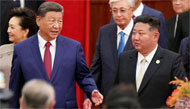
 中, 시진핑 방북 전 북중 우호 부각… “좋…
 - 14
 美 ‘중국부품 빼라’ 멕시코에 자동차 무역합…
 - 15
 “형 밑에서 일하느니 차라리”…굴착기로 은행…
 - 16
 트럼프 “합의든 강경 방식이든 이란서 매우 …
 - 17
 13세 딸 성범죄자에 총 쏜 아빠… 법원, …
 - 18
 김규리 집 강도범, 알고 보니… ‘서정희 딸…
 - 19
 “미국도 금연열풍”…美 담배 채권 첫 ‘채무…
 - 20
 ‘백상배’ 역대 최고 열기… 최강자들 치열한…
- 21
 “美·이란 협상교착에 최근 24시간 호르무즈…
 - 22
 상황실 따로·정보도 따로…투표용지 부족으로 …
 - 23
 이란과 MOU 가까워졌나…美협상팀, ‘핵무기…
 - 24
 스페이스X, IPO 직전 구글에도 클라우드 …
 - 25
 美, 월드컵 출전할 이란 축구대표선수들 입국…
 - 26
 금리인상 기대강화에 주식·채권·금 동반급락……
 - 27
 불륜 논란 용서, 공개 데이트는 ‘NO’… …
 - 28
 구글 이어 메타도 ‘AI 투자’ 위한 유상증…
 - 29
 ‘탑건 매버릭’ 배우 제임스 핸디, LA자택…
 - 30
 “누군가 해야한다면 내가…” 행동하는 ‘현장…







오피니언


 김광수 한국일보 논설위원
[지평선] 캐나다 잠수함 60조 잭팟
- 이리나 수필가
[윌셔에서] 나의 신이 잠잠한 날
-
[새벽 빛 편지] 손주의 생계를 걱정하는 미국 부통령
 정숙희 논설위원
다니엘 하딩, LA 필의 새 음악감독
- 메건 매카들 워싱턴포스트 칼럼니스트
[메건 매카들 칼럼] AI 소설은 새로운 패스트푸드
- 김동찬 시민참여센터 대표
[미국은 지금] 대이란 전쟁의 책임이 몰고올 후폭풍
지사별 뉴스

줄리 원, ‘검증된 실무형 후보’ 과시
▶‘평생의 돌봄’ 복지 청사진 제시, 공약 이행 약속 ▶“이민자 출신 워킹맘으로서 주민 필요 정책화”뉴욕주 사상 최초의 한인 연방의원에 도전하…
뉴저지 수도요금 또 오른다

VA, 조립주택 규제 완화
버지니아주가 조립주택 규제 완화를 통해 주택공급을 늘리기로 했다.아비가일 스팬버거 주지사는 지난 1일 버지니아주 로키 마운트(Rocky Mou…
MD 전역에 꽃매미 재출현

환율, 달러 강세에 1,550원도 넘었다…금융위기 이후 최고
원/달러 환율이 5일(이하 한국시간) 야간 거래에서 1,550원을 넘어섰다.이날 서울 외환시장 야간 거래에서 미국 달러화 대비 원화 환율은 오…
한-캘리포니아 우정의 밤 행사 개최























 | ||
|



- 로그인
- 회원가입
Koreatimes.com 서비스는 Ktown1st.com과 통합계정입니다. 계정이 없으신 분은 회원가입을 해 주세요.
.png)



댓글 안에 당신의 성숙함도 담아 주세요.
'오늘의 한마디'는 기사에 대하여 자신의 생각을 말하고 남의 생각을 들으며 서로 다양한 의견을 나누는 공간입니다. 그러나 간혹 불건전한 내용을 올리시는 분들이 계셔서 건전한 인터넷문화 정착을 위해 아래와 같은 운영원칙을 적용합니다.
자체 모니터링을 통해 아래에 해당하는 내용이 포함된 댓글이 발견되면 예고없이 삭제 조치를 하겠습니다.
불건전한 댓글을 올리거나, 이름에 비속어 및 상대방의 불쾌감을 주는 단어를 사용, 유명인 또는 특정 일반인을 사칭하는 경우 이용에 대한 차단 제재를 받을 수 있습니다. 차단될 경우, 일주일간 댓글을 달수 없게 됩니다.
명예훼손, 개인정보 유출, 욕설 등 법률에 위반되는 댓글은 관계 법령에 의거 민형사상 처벌을 받을 수 있으니 이용에 주의를 부탁드립니다.
Close
x