


 뉴욕타임즈
뉴욕타임즈
- 오늘 한인타운 음주단속 웨스턴·베니스에 검문소
- 미셸 박 인준안 상원 외교위 통과
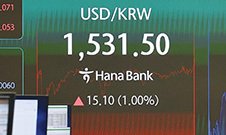
- ‘미친 환율’… 1,540원도 뚫렸다
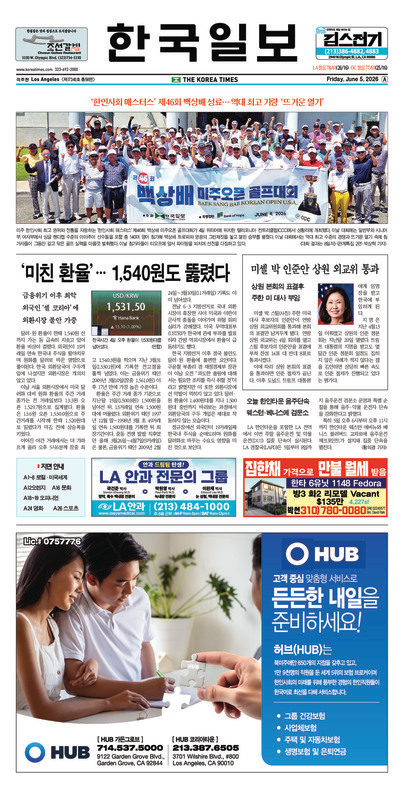
- ‘한인사회 매스터스’ 제46회 백상배 성료… 역대 최고 기량 ‘뜨거운 열기’
- 세대 아우른 골프 축제… 한국 비즈니스 항공권 등 풍성한 시상
- ‘백상배’ 역대 최고 열기… 최강자들 치열한 ‘명승부’
close

- 올해 기업 전환사채 발행 사상 최대
- 금, 중앙은행 외환보유액서 미 국채 넘어
- US 메트로 은행, 소매업체 40곳에 20만달러 지원
- 사모대출펀드에 환매 압박 지속
- 기업들,‘저채용·저해고’ 기조 지속
- “단합·세대교체로 새로운 도약… 한인 경제발전 기여”
close

- [전익환 프로의 골프교실] 스윙의 시작
- 브런슨 30득점… 뉴욕, 적지서 파이널 먼저 1승
- 이정후, 멀티히트로 11경기 연속 안타…김하성, 5경기 만에 안타·타점
- 홍명보호, 월드컵 마지막 평가전서 엘살바도르에 1-0 승리
- 월드컵 일주일 앞… ‘붉은 악마’ 향하는 멕시코는 안전할까
- 김시우, PGA 투어 메모리얼 토너먼트 1R 공동 23위…임성재 33위
close
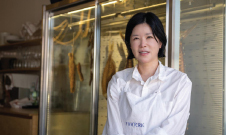
- 수많은 생선 썩히며 새로운 맛 찾았다… ‘피시 샤퀴테리’ 도전기
- 정어리 없는 사르데냐, 올리브 열리는 서귀포
- 일본인데 ‘사케’가 없다? 오키나와에선 ‘아와모리’ 마신다
- 슬기로운시니어생활 58회
- 한국적 닭맛 보여준 야키토리… 냉철한 눈으로 ‘살아남을 맛’ 찾았다
- 배에 힘주면 뇌가 청소된다 치매 막는 ‘3초 복근 펌프’ 움직임
close
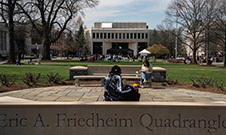
- 대학 학비 마련 막막하다면?… 민간 대출로 부족분 충당
- 졸업생들에게 주는 메세지
- “연방정부 학자금 융자제한 적신호”
- AI 시대, 우리 아이가 알아야 할 10가지 기술
- 38만달러짜리 졸업장, 누가 감당할 수 있나
- ‘못 받을거야’ 섣부른 짐작 금물… 대학 재정보조 신청 요령
close
- “찬물 샤워가 답 아니었다”… 폭염 속 체온 뚝 떨어뜨리는 의외의 ‘맥박점’
- 암수술 후 ‘림프 부종’ 나타나면 병원으로 달려가세요
- [건강포커스] “단백질 섭취 적은 노인, 근력약화·일상생활 장애 위험 높아”
- [임영빈 박사 건강 칼럼] 파킨슨병 치료, 어렵지만 할 수 있다.
- “여름에 무조건 챙겨 먹어라”… 수박 속 성분 심혈관 살린다
- 양치 ‘333법칙’ 믿고 따랐는데… 오히려 이빨 다 상할 수 있다는데
close

- “정원인데 꽃이 없네?”… 꽃 대신 쇠기둥 심은 ‘이상한’ 정원
- 두 사람에 관한 사랑의 우화요 로맨틱 판타지
- ‘내면이 붕괴되가는 여인의 초상화이자 성격탐구 드라마’
- 이름만 들어도 설레는 예술과 낭만, 정열의 나라를 가다
- 빌리 아일리시 라이브 인 3D‘경험’의 경계를 허물다
- “절대 돌아가지 않을 거야”… 자유를 향한 두 여자의 질주
close

- 치솟는 주택 보험료…‘보장 부족’ 주택 증가
- 어디 빈 방 없나요?… 룸메이트 찾는 고령층 늘어
- 집값은 내리고 이자는 높다… 지금이 기회일까?
- 양도소득세와 ‘2년 실거주’의 마법
- ‘렌트 백’으로 계약부터 성사?…예상치 못한 위험 더 커
- ‘편안함·기능성’ 강조… 최신 웰빙 주거 트렌드
close

- 한지민♥최정훈, 눈물 한 번에 뜬금포 결별설 해프닝.. “잘 만나고 있어”
- 엑소 시우민, 日 행사 돌연 무산..알고 보니 사기 계약 정황 포착
- 유승준 “이제 그만하려 한다, 용서 부탁” 24년의 싸움 끝내며
- 양상국 가고 유노윤호·곽범 왔다.. ‘쩐의 전쟁’ 전라도로 세계관 확장 [놀면 뭐하니]
- 한효주, 어린이 위해 5천만원 기부
- “투표용지 못 받으면 가만히 있겠냐”… ‘야인시대’ 장면, 2026년 지방선거서 소환
close


In the Donald Trump era, though, there’s a distinctive problem: Before he can be defended or criticized, we have to figure out what’s actually happening. And for several reasons, that’s going to be harder in this presidency than ever before.
First: This is clearly going to be an administration with multiple centers of gravity, with more fractiousness and freelancing than in the relatively-tight ships that Barack Obama and George W. Bush ran. The Trump White House has a weak chief of staff surrounded by rivalrous advisers. The Trump cabinet is not necessarily on the same ideological page as the president’s inner circle. Trump himself is famous for agreeing with the last person who bent his ear. So there is no trustworthy voice providing public clarity — least of all poor Sean Spicer — in cases where multiple balls and trial balloons are airborne.




Second: The establishment press, as I warned last week, is being pressured to lead the resistance to Trumpism, which makes it more likely to run with the most shocking interpretations (muzzled bureaucrats! mass resignations!) of whatever the White House happens to be doing. At the same time, the Trump inner circle clearly intends to lean into this phenomenon, to encourage the press-as-opposition narrative, seeing mainstream-media mistakes as a way of shoring up its own base’s loyalty. And then the technological forces shaping media coverage also encourage errors and overreach — a dubious story or even a misleading live-tweet of a press conference can go around the online world long before the more prosaic truth has reached your Facebook feed. (A self-serving suggestion: In such a climate, the discerning citizen may come to appreciate anew the tortoise-like pace of print journalism.)Third: Trumpism is an ideological cocktail that doesn’t fit the patterns we’re used to in American politics, and Trump has arrayed himself against bipartisan habits of mind on all sorts of issues. This means, as The Week columnist Damon Linker notes perceptively, that he’s guaranteed to do things that seem “abnormal” and that take both the press corps and D.C. mandarins aback —– like, say, actually enforcing already on-the-books immigration laws. The trick for the public will be figuring where what’s “abnormal” is obviously “alarming” and where it makes more sense to wait and see. Which will be hard for reasons one and two, and also because ……Trump himself is a loose cannon whose public interventions tend to make his own policies harder to interpret. Is his administration planning a trade war with Mexico, as his tweets suggest, or just pushing a wonky border-adjustment tax that’s been part of G.O.P. proposals for a while? Are we actually considering reviving waterboarding, or is that just an empty executive order left over from the Romney transition that James Mattis and Mike Pompeo have no intention of operationalizing? Is the administration about to embark on a racially-coded war against phantom voter fraud based on random anecdotes and conspiracy theories … or is this just a “Twitter promise,” not a real one?Of course time will bring a certain clarity. We’ll find out whether Trump’s refugee and visa freezes from Muslim countries are actually temporary, a means to stricter screening, or whether they become permanent. We’ll move from speculation to reality on Russia policy. We’ll find out how far the president intends to run with the voter-fraud nonsense. We’ll see how often his angry tweets and behind-the-scenes obsessions cash out, and how often they’re just a way of venting.
But if the fog lifts in some cases, it’s likely to chronically shroud the policy-making process on issues (health care, taxes, infrastructure, more) where Trump needs his congressional allies to have certainty about their shared objectives. And it threatens to descend more dramatically — with Stephen King-style monsters screaming in the mist — with every unexpected event, every unlooked-for crisis, in which what the White House says in real time will matter much more than it does right now.
I ended last week’s column with a warning for the press corps, about their potential contribution to a climate of political hysteria. But this column’s warning is for the president and his advisers, some of whom clearly like the fog and seem to imagine that it will help them govern just as it probably helped them win.
They shouldn’t be so confident. For legislators, too much fog is paralyzing. For voters, it’s a recipe for nervous exhaustion. For allies, it’s confusing; for enemies, it looks like an opportunity.
Trump is not a popular president, he has not actually built an electoral majority, his team is not particularly experienced. If he can’t provide clarity and reassurance and a little light around his agenda, it will be very easy for a fog-bound presidency to simply run aground.
<ROSS DOUTHAT>
로컬뉴스
more
“한국어 학습 열정 뜨거웠어요”
“그동안 배운 한국어 실력 겨루었어요”KAC 어바인 세종학당(대표 태미 김)는 지난달 29일, 30일 양일간 강의실에서 그동안 갈고 닦은 학생…

“가정 예배문화 확산 촉매제”
한인 이민 가정의 신앙 회복과 다음 세대 신앙 전수를 목표로 개최된 ‘2026 가정예배 공모전’의 시상식이 지난달 22일 동부 사랑의 교회에서…
화학 물질 누출 피해…업체 지원 방안 모색
가든그로브 시는 화학 물질 누출 우려로 인한 경제적 피해를 입었을 수 있는 지역 업체들을 지원하기 위한 방안을 모색하고 있다.시는 현재 피해 …
사이프레스 시니어 센터 커뮤니티 리소스 페어
사이프레스 시니어 센터는 오는 12일(금) 오전 9시부터 정오까지 이 센터(9031 Grindlay St.)에서 커뮤니티 리소스 페어를 갖는다…
“태권도 교육 확대 협조 요청”
윤웅석 국기원장이 최근 오렌지카운티를 방문해 부에나팍, 풀러튼, 어바인 시의원들을 만나서 태권도의 교육적 가치와 사회적 역할을 설명하고 협력 …
사람·사람들
more
‘한반도 평화관리’… LA 평통 2분기 정기회의
민주평통 LA협의회(회장 장병우)는 지난 2일 가든스윗 호텔에서 자문위원 120여 명이 참석한 가운데 2026년 2분기 정기회의를 개최했다. …

외교부 방문단 LA 독립운동 사적지 방문
외교부 최충환 장관정책보좌관을 비롯한 방문단이 지난달 24일 LA 지역 미주 한인 이민 초기 역사와 독립운동 사적지를 방문했다. 방문단은 US…
LA 무궁화 봉사회, 매주 무궁화 가꾸기 활동
LA 무궁화 봉사회(회장 윤태환)가‘무궁화 사랑 나라 사랑’을 기치로 매주 봉사활동에 참여하고 있다. 회원들은 매주 토요일 맥아더팍과 올림픽경…
‘다함께 차차차’ 설운도가 온다 1
미주 한인사회의 대표 한국어 방송인 라디오서울(AM 1650)이 오는 6월27일(토) 오후 7시 팜스프링스 소재 판타지 스프링스 리조트 카지노…
박헌성 목사 원로목사 추대 예배
LA 열린문교회(담임 이광훈 목사)의 원로목사 추대 감사예배가 오는 7일(일) 오후 2시에 열린다. 교회 측은 이날 LA 열린문교회 설립자인 …
한국일보 안내광고
- 렌트/리스/하숙
- 구인구직
- 중고차
- 전문업체



- 1
 “형 밑에서 일하느니 차라리”…굴착기로 은행…
 - 2
 트럼프 “합의든 강경 방식이든 이란서 매우 …
 - 3
 “미국도 금연열풍”…美 담배 채권 첫 ‘채무…
 - 4
 美와 무역마찰 브라질, 中서 ‘위안화 채권’…
 - 5
 13세 딸 성범죄자에 총 쏜 아빠… 법원, …
 - 6
 정부, AI기업 지분 보유 검토…트럼프 “곧…
 - 7
 美, 월드컵 출전할 이란 축구대표선수들 입국…
 - 8
 “네타냐후, 레바논 휴전 합의안 내각 표결조…
 - 9
 美 ‘중국부품 빼라’ 멕시코에 자동차 무역합…
 - 10
 호주 총기 난사범 제압 시도한 영웅, 아버지…
- 11
 캐런 배스 시장의 외면… “현실 직시하고 기…
 - 12
 이란과 MOU 가까워졌나…美협상팀, ‘핵무기…
 - 13
 법원 “이민국, 39개국 출신자 망명심사 중…
 - 14
 美, 한국에 1억600만달러 규모 합동직격탄…
 - 15
 ‘탑건 매버릭’ 배우 제임스 핸디, LA자택…
 - 16
 버클리 문학협회, 문학지 7호 발간
 - 17
 尹, 오늘 종합특검 첫 출석…’계엄 정당화 …
 - 18
 버지니아크리스천대 박진욱 신임총장, 28일 …
 - 19
 금리인상 기대강화에 주식·채권·금 동반급락……
 - 20
 모즈타바 최측근 “트럼프가 37조 동결 해제…
- 21
 김규리 집 강도범, 알고 보니… ‘서정희 딸…
 - 22
 구글 이어 메타도 ‘AI 투자’ 위한 유상증…
 - 23
 유승준 “이제 그만하려 한다, 용서 … 8
 - 24
 스페이스X, IPO 직전 구글에도 클라우드 …
 - 25
 ‘본국가서 신청’ 지침 완화하나… “美, 강…
 - 26
 디자이너 페루치오 바바르치치 개인전
 - 27
 불륜 논란 용서, 공개 데이트는 ‘NO’… …
 - 28
 H마트, 정지선 셰프 팬미팅 이벤트
 - 29뉴저지 노인 재산세 감면 6,500달러 유지될까?
- 30‘보복운전 끝에 총까지’…40대 한인남성 체포







오피니언


 김광수 한국일보 논설위원
[지평선] 캐나다 잠수함 60조 잭팟
- 이리나 수필가
[윌셔에서] 나의 신이 잠잠한 날
-
[새벽 빛 편지] 손주의 생계를 걱정하는 미국 부통령
 정숙희 논설위원
다니엘 하딩, LA 필의 새 음악감독
- 메건 매카들 워싱턴포스트 칼럼니스트
[메건 매카들 칼럼] AI 소설은 새로운 패스트푸드
- 김동찬 시민참여센터 대표
[미국은 지금] 대이란 전쟁의 책임이 몰고올 후폭풍
지사별 뉴스

줄리 원, ‘검증된 실무형 후보’ 과시
▶‘평생의 돌봄’ 복지 청사진 제시, 공약 이행 약속 ▶“이민자 출신 워킹맘으로서 주민 필요 정책화”뉴욕주 사상 최초의 한인 연방의원에 도전하…
뉴저지 수도요금 또 오른다

VA, 조립주택 규제 완화
버지니아주가 조립주택 규제 완화를 통해 주택공급을 늘리기로 했다.아비가일 스팬버거 주지사는 지난 1일 버지니아주 로키 마운트(Rocky Mou…
MD 전역에 꽃매미 재출현

환율, 달러 강세에 1,550원도 넘었다…금융위기 이후 최고
원/달러 환율이 5일(이하 한국시간) 야간 거래에서 1,550원을 넘어섰다.이날 서울 외환시장 야간 거래에서 미국 달러화 대비 원화 환율은 오…
한-캘리포니아 우정의 밤 행사 개최























 | ||
|



- 로그인
- 회원가입
Koreatimes.com 서비스는 Ktown1st.com과 통합계정입니다. 계정이 없으신 분은 회원가입을 해 주세요.
.png)



댓글 안에 당신의 성숙함도 담아 주세요.
'오늘의 한마디'는 기사에 대하여 자신의 생각을 말하고 남의 생각을 들으며 서로 다양한 의견을 나누는 공간입니다. 그러나 간혹 불건전한 내용을 올리시는 분들이 계셔서 건전한 인터넷문화 정착을 위해 아래와 같은 운영원칙을 적용합니다.
자체 모니터링을 통해 아래에 해당하는 내용이 포함된 댓글이 발견되면 예고없이 삭제 조치를 하겠습니다.
불건전한 댓글을 올리거나, 이름에 비속어 및 상대방의 불쾌감을 주는 단어를 사용, 유명인 또는 특정 일반인을 사칭하는 경우 이용에 대한 차단 제재를 받을 수 있습니다. 차단될 경우, 일주일간 댓글을 달수 없게 됩니다.
명예훼손, 개인정보 유출, 욕설 등 법률에 위반되는 댓글은 관계 법령에 의거 민형사상 처벌을 받을 수 있으니 이용에 주의를 부탁드립니다.
Close
x