


 뉴욕타임즈
뉴욕타임즈
- 오늘 한인타운 음주단속 웨스턴·베니스에 검문소
- 미셸 박 인준안 상원 외교위 통과
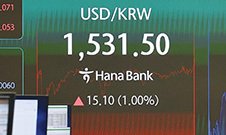
- ‘미친 환율’… 1,540원도 뚫렸다
- ‘한인사회 매스터스’ 제46회 백상배 성료… 역대 최고 기량 ‘뜨거운 열기’
- 세대 아우른 골프 축제… 한국 비즈니스 항공권 등 풍성한 시상
- ‘백상배’ 역대 최고 열기… 최강자들 치열한 ‘명승부’
close

- 올해 기업 전환사채 발행 사상 최대
- 금, 중앙은행 외환보유액서 미 국채 넘어
- US 메트로 은행, 소매업체 40곳에 20만달러 지원
- 사모대출펀드에 환매 압박 지속
- 기업들,‘저채용·저해고’ 기조 지속
- “단합·세대교체로 새로운 도약… 한인 경제발전 기여”
close

- [전익환 프로의 골프교실] 스윙의 시작
- 브런슨 30득점… 뉴욕, 적지서 파이널 먼저 1승
- 이정후, 멀티히트로 11경기 연속 안타…김하성, 5경기 만에 안타·타점
- 홍명보호, 월드컵 마지막 평가전서 엘살바도르에 1-0 승리
- 월드컵 일주일 앞… ‘붉은 악마’ 향하는 멕시코는 안전할까
- 김시우, PGA 투어 메모리얼 토너먼트 1R 공동 23위…임성재 33위
close

- 수많은 생선 썩히며 새로운 맛 찾았다… ‘피시 샤퀴테리’ 도전기
- 정어리 없는 사르데냐, 올리브 열리는 서귀포
- 일본인데 ‘사케’가 없다? 오키나와에선 ‘아와모리’ 마신다
- 슬기로운시니어생활 58회
- 한국적 닭맛 보여준 야키토리… 냉철한 눈으로 ‘살아남을 맛’ 찾았다
- 배에 힘주면 뇌가 청소된다 치매 막는 ‘3초 복근 펌프’ 움직임
close
- 대학 학비 마련 막막하다면?… 민간 대출로 부족분 충당
- 졸업생들에게 주는 메세지
- “연방정부 학자금 융자제한 적신호”
- AI 시대, 우리 아이가 알아야 할 10가지 기술
- 38만달러짜리 졸업장, 누가 감당할 수 있나
- ‘못 받을거야’ 섣부른 짐작 금물… 대학 재정보조 신청 요령
close

- “찬물 샤워가 답 아니었다”… 폭염 속 체온 뚝 떨어뜨리는 의외의 ‘맥박점’
- 암수술 후 ‘림프 부종’ 나타나면 병원으로 달려가세요
- [건강포커스] “단백질 섭취 적은 노인, 근력약화·일상생활 장애 위험 높아”
- [임영빈 박사 건강 칼럼] 파킨슨병 치료, 어렵지만 할 수 있다.
- “여름에 무조건 챙겨 먹어라”… 수박 속 성분 심혈관 살린다
- 양치 ‘333법칙’ 믿고 따랐는데… 오히려 이빨 다 상할 수 있다는데
close

- “정원인데 꽃이 없네?”… 꽃 대신 쇠기둥 심은 ‘이상한’ 정원
- 두 사람에 관한 사랑의 우화요 로맨틱 판타지
- ‘내면이 붕괴되가는 여인의 초상화이자 성격탐구 드라마’
- 이름만 들어도 설레는 예술과 낭만, 정열의 나라를 가다
- 빌리 아일리시 라이브 인 3D‘경험’의 경계를 허물다
- “절대 돌아가지 않을 거야”… 자유를 향한 두 여자의 질주
close

- 치솟는 주택 보험료…‘보장 부족’ 주택 증가
- 어디 빈 방 없나요?… 룸메이트 찾는 고령층 늘어
- 집값은 내리고 이자는 높다… 지금이 기회일까?
- 양도소득세와 ‘2년 실거주’의 마법
- ‘렌트 백’으로 계약부터 성사?…예상치 못한 위험 더 커
- ‘편안함·기능성’ 강조… 최신 웰빙 주거 트렌드
close

- 한지민♥최정훈, 눈물 한 번에 뜬금포 결별설 해프닝.. “잘 만나고 있어”
- 엑소 시우민, 日 행사 돌연 무산..알고 보니 사기 계약 정황 포착
- 유승준 “이제 그만하려 한다, 용서 부탁” 24년의 싸움 끝내며
- 양상국 가고 유노윤호·곽범 왔다.. ‘쩐의 전쟁’ 전라도로 세계관 확장 [놀면 뭐하니]
- 한효주, 어린이 위해 5천만원 기부
- “투표용지 못 받으면 가만히 있겠냐”… ‘야인시대’ 장면, 2026년 지방선거서 소환
close
This Year, #OscarsSoBlack?


I’m referring to that cringe-worthy moment at the Golden Globes when Hager, a correspondent for NBC’s “Today” show, mistakenly referred to “Hidden Figures” as “Hidden Fences,” something that the actor Michael Keaton also did later that same night. “Fences” is its own production, and it, “Hidden Figures” and “Moonlight” are all in the hunt for Oscar nominations, to be announced next Tuesday.
They tell unrelated stories in unrelated styles. And they’re not equally accomplished, not to my eye. “Moonlight” has a daring, a visual poetry and a jolting intimacy that lift it well above the other two.




But they are indeed linked, because together they represent a real chance, after the #OscarsSoWhite outcry, for a bit of an #OscarsSoBlack correction, or at least an #OscarsMoreDiverse one. The number of nominations that these three movies do or don’t receive will be one of the main lenses through which the 2017 Academy Awards are analyzed, especially in light of this tense juncture for race relations.
The president-elect feuds in an unnecessary, undignified fashion with a hero of the civil rights movement. (Then again, the president-elect feuds in that fashion with a sprawling cast.) He built a political base partly on the lie that our first black president was born outside the country. Because of that and much more, many black members of Congress, among other Democrats, won’t attend his inauguration.
Race has already been a significant part of Oscar talk, with disputes about why Casey Affleck, the white star of “Manchester by the Sea,” is teed up for a best actor nomination (and, possibly, a win) when Nate Parker, the star and director of “The Birth of a Nation,” is almost certain to be passed over. Parker has been dogged by a long-ago rape accusation; Affleck has confronted more recent sexual harassment suits. Is it the difference in the allegations, in the quality of their movies or in the color of their skin that explains their divergent fates?After there were no black nominees in the acting and directing categories for the last two years, the Academy instituted plans to diversify its membership. No matter how this year’s voting goes, I expect complaints: that the pendulum swung too far or not far enough; that merit is being inflated or denied.
And so I’d like to dwell, beforehand, on the happy, hopeful fact of these three movies themselves. Along with other examinations of race on screens big and small, they have a grace and an insight missing in so much of our public debate. Better still, they’re finding appreciative audiences.
That was one takeaway from the Globes, where “Moonlight” and the television comedies “Atlanta” and “black-ish” won big. It’s also evident in the triumph of “Hidden Figures” as the top-grossing movie in America each of the last two weekends.
“Hidden Figures” tells the fact-based story of three black women who were unheralded heroes at NASA in the 1960s. It has a vital message, affectingly rendered: Prejudice not only strangles individual dreams but stupidly bleeds a society of the talents it needs to reach its fullest potential.
“Fences,” adapted from August Wilson’s play, concentrates on one black family in the 1950s, in particular one black man, played by Denzel Washington, who also directed the movie. It shows how insidiously an awareness of unjustly imposed limits eats away at a person.
Although “Moonlight” comes at the wages of racism less bluntly, its depiction of a tormented boy’s journey to manhood asks big, haunting questions about the social and cultural forces that doom too many young, disadvantaged African-Americans today. Its director, Barry Jenkins, sees a hurt that you can’t turn away from and a hope that you can’t ignore where so many news stories and politicians see only statistics. Maybe that’s because he’s black. Or maybe it’s because he’s brilliant.
I don’t mean to hold up the movies as some uniquely enlightened antidote to the ugliness elsewhere. Meryl Streep’s Hollywood-flattering speech at the Globes conveniently overlooked the industry’s habit of pairing male stars with female ones half their age, thwarting female directors, stereotyping minorities, glamorizing reprobates and putting money above morality time and again.
Movies give us some of our worst ideas about ourselves. But then, like great fiction, they’re our bridges to insufficiently understood lives, our compasses to inadequately learned truths. That’s the case with the three films I just described.
They may yield a best supporting actress nominee apiece and thus an Oscar first: three black contenders in one acting category. That would hardly make up for all the oversights past. But it would be cause for celebration nonetheless.
<FRANK BRUNI>
로컬뉴스
more
“한국어 학습 열정 뜨거웠어요”
“그동안 배운 한국어 실력 겨루었어요”KAC 어바인 세종학당(대표 태미 김)는 지난달 29일, 30일 양일간 강의실에서 그동안 갈고 닦은 학생…

“가정 예배문화 확산 촉매제”
한인 이민 가정의 신앙 회복과 다음 세대 신앙 전수를 목표로 개최된 ‘2026 가정예배 공모전’의 시상식이 지난달 22일 동부 사랑의 교회에서…
화학 물질 누출 피해…업체 지원 방안 모색
가든그로브 시는 화학 물질 누출 우려로 인한 경제적 피해를 입었을 수 있는 지역 업체들을 지원하기 위한 방안을 모색하고 있다.시는 현재 피해 …
사이프레스 시니어 센터 커뮤니티 리소스 페어
사이프레스 시니어 센터는 오는 12일(금) 오전 9시부터 정오까지 이 센터(9031 Grindlay St.)에서 커뮤니티 리소스 페어를 갖는다…
“태권도 교육 확대 협조 요청”
윤웅석 국기원장이 최근 오렌지카운티를 방문해 부에나팍, 풀러튼, 어바인 시의원들을 만나서 태권도의 교육적 가치와 사회적 역할을 설명하고 협력 …
사람·사람들
more
‘한반도 평화관리’… LA 평통 2분기 정기회의
민주평통 LA협의회(회장 장병우)는 지난 2일 가든스윗 호텔에서 자문위원 120여 명이 참석한 가운데 2026년 2분기 정기회의를 개최했다. …

외교부 방문단 LA 독립운동 사적지 방문
외교부 최충환 장관정책보좌관을 비롯한 방문단이 지난달 24일 LA 지역 미주 한인 이민 초기 역사와 독립운동 사적지를 방문했다. 방문단은 US…
LA 무궁화 봉사회, 매주 무궁화 가꾸기 활동
LA 무궁화 봉사회(회장 윤태환)가‘무궁화 사랑 나라 사랑’을 기치로 매주 봉사활동에 참여하고 있다. 회원들은 매주 토요일 맥아더팍과 올림픽경…
‘다함께 차차차’ 설운도가 온다 1
미주 한인사회의 대표 한국어 방송인 라디오서울(AM 1650)이 오는 6월27일(토) 오후 7시 팜스프링스 소재 판타지 스프링스 리조트 카지노…
박헌성 목사 원로목사 추대 예배
LA 열린문교회(담임 이광훈 목사)의 원로목사 추대 감사예배가 오는 7일(일) 오후 2시에 열린다. 교회 측은 이날 LA 열린문교회 설립자인 …
한국일보 안내광고
- 렌트/리스/하숙
- 구인구직
- 중고차
- 전문업체



- 1
 유승준 “이제 그만하려 한다, 용서 … 6
 - 2
 세대 아우른 골프 축제… 한국 비즈니스 항공…
 - 3
 ‘카재킹 살인’ 한인 남매…“친가족까… 1
 - 4
 ‘미친 환율’… 1,540원도 뚫렸다 3
 - 5남편 추격에 자녀와 도망중 비극
- 6
 미셸 박 인준안 상원 외교위 통과
 - 7
 ‘한인사회 매스터스’ 제46회 백상배 성료……
 - 8
 오늘 한인타운 음주단속 웨스턴·베니스에 검문…
 - 9
 추방 막으려면 돈 있어야… 이민법원 비용 장…
 - 10
 줄리 원, ‘검증된 실무형 후보’ 과시
- 11
 은행 CD만 찾고 있다면 놓치는 5~6%의 …
 - 12
 NY·NJ 졸업생 연봉 1위는‘헬렌풀드간호대…
 - 13‘보복운전 끝에 총까지’…40대 한인남성 체포
- 1413살 여배우 노출신 영화, 스트리밍서 내린다
- 15맨하탄 부촌, ‘재산범죄’ 표적 전국 최고
- 16
 뉴욕한국문화센터 21희망재단에 8000달러 …
 - 17뉴저지 수도요금 또 오른다
- 18
 한-캘리포니아 우정의 밤 행사 개최
 - 19
 뉴욕한국국악원, 퀸즈공립도서관 잭슨하이츠분관…
 - 20
 패밀리터치, 뉴저지 장년층 취업교육 참가자 …
- 21
 이소영 뉴욕다민족문화협회장, 프리포트 메모리…
 - 22
 미동부충청도향우회, 장학기금 모금 골프대회
 - 23
 치아는 건강의 창… 구강 관리가 수명을 좌우…
 - 24
 헤이워드서 월드컵 응원전 펼친다, 진로와 함…
 - 25성탄절부터 BWI-터크스 케이커스 신규 취항
- 26메인주 해변 한인 사체 10년 만에 신원 확인
- 27
 ‘백상배’ 역대 최고 열기… 최강자들 치열한…
 - 28
 옥타LA, 교류 활성 분과위원회 개최
 - 29
 ‘전미 대학 리더십 컨퍼런스’ 열린다
 - 30MD 전역에 꽃매미 재출현









오피니언


 김광수 한국일보 논설위원
[지평선] 캐나다 잠수함 60조 잭팟
- 이리나 수필가
[윌셔에서] 나의 신이 잠잠한 날
-
[새벽 빛 편지] 손주의 생계를 걱정하는 미국 부통령
 정숙희 논설위원
다니엘 하딩, LA 필의 새 음악감독
- 메건 매카들 워싱턴포스트 칼럼니스트
[메건 매카들 칼럼] AI 소설은 새로운 패스트푸드
- 김동찬 시민참여센터 대표
[미국은 지금] 대이란 전쟁의 책임이 몰고올 후폭풍
지사별 뉴스

줄리 원, ‘검증된 실무형 후보’ 과시
▶‘평생의 돌봄’ 복지 청사진 제시, 공약 이행 약속 ▶“이민자 출신 워킹맘으로서 주민 필요 정책화”뉴욕주 사상 최초의 한인 연방의원에 도전하…
뉴저지 수도요금 또 오른다

VA, 조립주택 규제 완화
버지니아주가 조립주택 규제 완화를 통해 주택공급을 늘리기로 했다.아비가일 스팬버거 주지사는 지난 1일 버지니아주 로키 마운트(Rocky Mou…
MD 전역에 꽃매미 재출현

‘李정부 안정론’ 택한 민심…吳·韓 생환에 보수재편 기대감도
6·3 지방선거에서 여당인 더불어민주당은 지방권력의 수적 우위를 만들어내며 승리했지만 서울 등 주요 승부처를 국민의힘에 내주는 등 큰 실점도 …
한-캘리포니아 우정의 밤 행사 개최























 | ||
|



- 로그인
- 회원가입
Koreatimes.com 서비스는 Ktown1st.com과 통합계정입니다. 계정이 없으신 분은 회원가입을 해 주세요.
.png)



댓글 안에 당신의 성숙함도 담아 주세요.
'오늘의 한마디'는 기사에 대하여 자신의 생각을 말하고 남의 생각을 들으며 서로 다양한 의견을 나누는 공간입니다. 그러나 간혹 불건전한 내용을 올리시는 분들이 계셔서 건전한 인터넷문화 정착을 위해 아래와 같은 운영원칙을 적용합니다.
자체 모니터링을 통해 아래에 해당하는 내용이 포함된 댓글이 발견되면 예고없이 삭제 조치를 하겠습니다.
불건전한 댓글을 올리거나, 이름에 비속어 및 상대방의 불쾌감을 주는 단어를 사용, 유명인 또는 특정 일반인을 사칭하는 경우 이용에 대한 차단 제재를 받을 수 있습니다. 차단될 경우, 일주일간 댓글을 달수 없게 됩니다.
명예훼손, 개인정보 유출, 욕설 등 법률에 위반되는 댓글은 관계 법령에 의거 민형사상 처벌을 받을 수 있으니 이용에 주의를 부탁드립니다.
Close
x