


 뉴욕타임즈
뉴욕타임즈

- 韓 6·3 지방선거, 방송3사 출구조사… 민주 11곳·국힘 1곳 승리, 경합 4곳
- 데이브 민·영 김 결선행… LA 시장 배스 1위
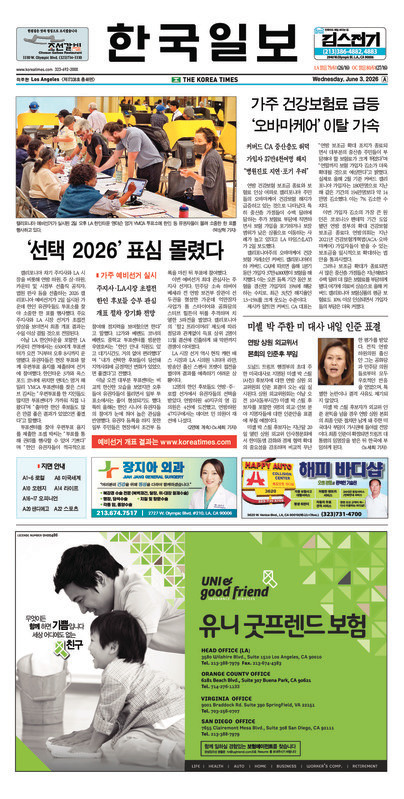
- 가주 건강보험료 급등 ‘오바마케어’ 이탈 가속
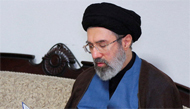
- 미셸 박 주한 미 대사 내일 인준 표결
- [재외선거 제도개선 언제 되나] ‘투표하러 비행기 타는 시대’ 끝낼까… 우편투표 공론화
- 고메스 ‘부적절 관계’ 의혹 하원 윤리위 조사
close
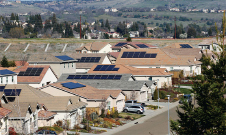
- 첫 주택구매 ‘숨통’… 정부 지원 역대 최대
- ‘미토스’ 접속권 확대… 15개 국가·150개 기관
- 구인규모 예상밖 증가… 2년 만에 최대
- “심각한 위험 은폐하고 챗GPT 출시”
- 실질임금 감소 시작… 물가 압박 여파
- 알파벳, 유상증자 발표… AI 투자 위해 800억달러
close
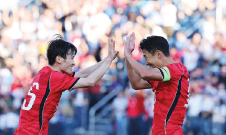
- ‘2경기 연속 쾌승!’…홍명보호, 엘살바도르 상대 최종 평가전
- 김시우, PGA 투어 메모리얼 토너먼트서 우승 재도전
- ‘올해 2승’ 김효주 등 한국 선수 23명 출격
- 미열에 쉬던 김태현도 가세…26인 태극전사 처음으로 전원 훈련
- ‘슈퍼컴퓨터 깜짝 예측’ 韓 월드컵 16강 확률 대반전, 일본보다 높다
- 더 이상 ‘우승 들러리’ 사절! 이강인, ‘파리 생활 청산’ 결단→아틀레티코 이적 ‘급물살’… 월드컵 이후 떠난다
close
- 수많은 생선 썩히며 새로운 맛 찾았다… ‘피시 샤퀴테리’ 도전기
- 정어리 없는 사르데냐, 올리브 열리는 서귀포
- 일본인데 ‘사케’가 없다? 오키나와에선 ‘아와모리’ 마신다
- 슬기로운시니어생활 58회
- 한국적 닭맛 보여준 야키토리… 냉철한 눈으로 ‘살아남을 맛’ 찾았다
- 배에 힘주면 뇌가 청소된다 치매 막는 ‘3초 복근 펌프’ 움직임
close
- 대학 학비 마련 막막하다면?… 민간 대출로 부족분 충당
- 졸업생들에게 주는 메세지
- “연방정부 학자금 융자제한 적신호”
- AI 시대, 우리 아이가 알아야 할 10가지 기술
- 38만달러짜리 졸업장, 누가 감당할 수 있나
- ‘못 받을거야’ 섣부른 짐작 금물… 대학 재정보조 신청 요령
close
- “찬물 샤워가 답 아니었다”… 폭염 속 체온 뚝 떨어뜨리는 의외의 ‘맥박점’
- 암수술 후 ‘림프 부종’ 나타나면 병원으로 달려가세요
- [건강포커스] “단백질 섭취 적은 노인, 근력약화·일상생활 장애 위험 높아”
- [임영빈 박사 건강 칼럼] 파킨슨병 치료, 어렵지만 할 수 있다.
- “여름에 무조건 챙겨 먹어라”… 수박 속 성분 심혈관 살린다
- 양치 ‘333법칙’ 믿고 따랐는데… 오히려 이빨 다 상할 수 있다는데
close
- 이름만 들어도 설레는 예술과 낭만, 정열의 나라를 가다
- 빌리 아일리시 라이브 인 3D‘경험’의 경계를 허물다
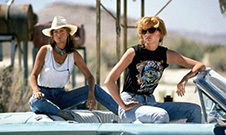
- “절대 돌아가지 않을 거야”… 자유를 향한 두 여자의 질주
- 휠체어 타고 바다로? 안 보여도 걷지 못해도 가능한 ‘무장애 여행’
- 아름답고 달콤한 포복절도할 로맨틱 코미디
- 다양한 장르를 잘 조율한 상큼하고 따스한 인물 탐구 영화
close

- ‘렌트 백’으로 계약부터 성사?…예상치 못한 위험 더 커
- ‘편안함·기능성’ 강조… 최신 웰빙 주거 트렌드
- 상업 건물의 진짜 몸값과 전략
- ADU, 이제는 선택이 아닌 부동산 전략
- 비싸지만 비싼 게 아니다… 신축주택 고려 이유
- 신축주택 ‘빌더 워런티’… 보장 ‘범위·기간’ 등 확인해야
close

- MC몽, 의혹 재차 반박 “차가원과 밀월여행? ‘PD수첩’ 검증도 없었다”
- ‘진태현♥’박시은, 입양딸 ‘셋’..그 중 한 명만 공개한 이유 “허락 필요”
- “이런 등기부등본은 처음” 전문가도 절레..이승기, 해명에도…
- ‘6월의 신부’ 문채원, 결혼 앞두고 웨딩드레스 자태 공개
- BTS 진·코르티스→韓귀화 에바, ★들의 투표 인증 릴레이
- ‘우지원 딸’ 우서윤, 미스코리아 본선 진출..우월한 ‘선’ 비주얼 포착
close
The 2016 Sidney Awards, Part I


For example, in one passage from the18th-century Chinese novel “Dream ofthe Red Chamber,” Cao Xueqin uses 130nouns and 166 verbs. In a similar passagefrom “Oliver Twist,” Charles Dickensuses 96 nouns and 38 verbs.
This observation is at the core of hisNew York Review of Books essay “TheMind: Less Puzzling in Chinese?” whichis the first winner of this year’s SidneyAwards. I give out the awards, named forthe philosopher Sidney Hook, to celebratesome of the best long-form essays of eachyear.



Li n k n ot e s t h a t I n d o -Eu r o p e a nlanguages tend to use nouns even whenverbs might be more appropriate. Thinkof the economic concept inf lation. Wedescribe it as a thing we can combat, orwhip or fight. But it’s really a process.
Lin k t akes thi s thought i n a ver yphilosophical direction, but it set mewondering how much our thinking ismuddled because we describe actionsas things. For example, we say someonehas knowledge, happiness or faith (a lotof faith or a little faith, a strong faith ora weak faith); but faith, knowledge andhappiness are activities, not objects.
If that last point needed underlining,go to Christian Wiman’s beautiful essay“I Will Love You in the Summertime,” inThe American Scholar. As a small child,Wiman used to sneak into his parents’room in the middle of the night and peelopen their eyelids in the hopes that hecould see what they were dreaming.
But the essay is mostly about the thingschildren know, the things adults knowand the process of reaching beyondeveryday perception. It’s better to quote afew passages:“People who have been away f romGod tend to come back by one of twoways: dest it ut ion or abundance, anovermaster ing sor row or a st rangelydisabling joy. Either the world is notenough for the hole that has opened inyou, or it is too much.”“I suggested she pray to God. This waseither a moment of tremendous grace orbrazen hypocrisy (not that the two can’tcoincide), since I am not a great pray-ermyself and tend to be either underminedby irony or overwhelmed by my ownchaotic consciousness.”“As for myself, I have found faith notto be a comfort but a provocation to a lifeI never seem to live up to, an eruption ofjoy that evaporates the instant I recognizeit as such, an agony of absence thatassaults me like a psychic wound. As formy children, I would like them to be freeof whatever particular kink there is in methat turns every spiritual impulse intoanguish.”Wiman also nicely quotes the Jewishtheologian Abraham Joshua Heschel: “Iasked for wonders instead of happiness,Lord, and you gave them to me.”These two essays are not about theevents that shook the world in 2016. I’llget to more of them in the next batch ofSidneys, but in the meantime, the mostimportant — and best crafted — essay ofthe year was probably Jeffrey Goldberg’s“The Obama Doctrine” in The Atlantic.
It’s a classic not only on Barack Obama’smind and the world situat ion today,but also about the act of foreign policymaking.
Nathan Heller’s “Letter from Oberlin:The Big Uneasy,” in The New Yorker,captured the moral awakening (or mania)that is sweeping col lege campuses.
That essay, too, generated an enormousamount of conversation and is wor threvisiting.
I’ll end this batch of Sidneys withanother percept ion-alter ing essay,Charles Foster’s “In Which I Tr y toBecome a Swift,” from Nautilus. Fosterwrites about swifts, a family of birds a bitlike swallows.
Swi f t s a re v iolent , acrobat ic andethereal. They eat 5,000 or more insects aday. When they hunt for bees they selectonly the stingless ones. They can selectthe wasp mimics from actual wasps, evenwhile traveling 50 feet a second.
But the essay is really about Foster’s efforts to enter into the swift experience. Once while driving to a day care center, he saw a group of them exploding from some tree tops. He scrambled up a tree, where “I swayedin a fork just below the top and pushed my head out into the killing zone of the delta. I saw a tongue, squat, gray,and d r y; I saw myself, pinched and saucer-eyed. … I snapped a mouthful of nymphs and spat them onto the roof of a brand new Mercedes dropping off a child from a house 300 yards away. It was the closest I ever got.”Foster enters into the different ways swifts experience air and time, and like all these writers, undercuts the normal way we see the world.
More winners are coming Friday. If you want essays like this all year, I have to again recommend the website The Browser, edited by Robert Cottrell, which gathers eloquence from far and wide day after day.

Credit Animal Press/Barcroft Media, via Getty Images
<DAVID BROOKS>
로컬뉴스
more
주택가격 상승세 지속 실질가치는 연속(16개월) 하락
샌디에고 지역 주택 가격이 올해도 상승세를 이어가고 있는 가운데, 높은 인플레이션과 모기지 금리 부담으로 실질적인 자산 가치는 오히려 감소한 …
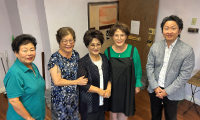
아리랑 합창단 “아름다운 선율에 사랑 심어요”
오렌지카운티 한인 커뮤니티에서 잘 알려져 있고 가장 오래된 여성 합창단 중의 하나인 ‘아리랑 합창단’(단장 김경자)이 올해로 창립 31주년을 …
한양대 최고 경영자 과정 골프대회 성황
한양대학교 글로벌최고경영자과정(HGCEO) 총동문회(회장 폴 김)는 지난달 22일 코요테 힐스 골프클럽에서 80여 명의 동문 및 13기 과정 …
SD 한인성당 ‘본당의 날’ 맞아 야외미사 성료
지난 31일 샌디에고 한인성당(주임 민광호 요셉 신부)은 본당의 날을 맞아 약 350명의 신자들이 참석한 가운데, 어드미럴 베이커 파크에서 미…
이주희 음악학원 제12회 자선 음악회 성료
지난달 17일 제이에치음악학원(JH Music Studio)의 이주희 원장과 학생들은 에드브라운센터에서 제12회 자선음학회를 개최했다. 글로벌…
사람·사람들
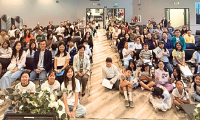
more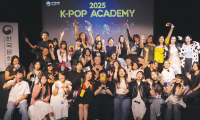
한국일보 안내광고
- 렌트/리스/하숙
- 구인구직
- 중고차
- 전문업체



- 1
 ‘의회승인없는 이란戰 중단’ 결의안 하원통과…
 - 2
 캘리포니아 주지사 선거 초접전…공화당 힐튼 …
 - 3
 ‘욱일기 응원’ 영상 올린 유튜버 “무지했다…
 - 4
 차기총리, 정성호·한성숙·강훈식 3인압축…李…
 - 5
 피 말렸던 초접전 드라마…서울시장 아침 대반…
 - 6
 트럼프 상호관세 대체 ‘301조 관세’ 윤곽…
 - 7
 우크라 ‘러시아판 다보스포럼’ 앞서 상트페테…
 - 8
 텍사스 소도시, 머스크의 ‘테라팹’ 부지에 …
 - 9
 ‘손흥민·조규성 멀티골’ 지켜본 오현규, 직…
 - 10
 살리나스 영광장로교회, 한재현 목사
- 11
 연준 베이지북 “물가 압력 확산… ‘저채용·…
 - 12
 이스라엘·레바논, 미국 중재로 휴전 합의
 - 13
 샌프란시스코 로웰고 ‘한국어 쇼 2026’ …
 - 14
 새크라멘토 만남의 집 개소
 - 15
 캘리포니아 지역교육청 15시간 인질극…용의자…
 - 16여름철 3개월 집중 수행, 조계종 ‘하안거’돌입”
- 17북가주한인간호사협회 업무협약 체결
- 18교황, 러•우크라 확전 우려 “우려 속에 지켜보고 있다”
- 19스카이 리버 카지노,다양한 여름 프로모션
- 20퀴어축제 참석 목사 ‘출교’ 무효판결 1
- 21
 한인연합감리교회, ‘강단 교환’ 실시
 - 22
 트럼프 “이란과 협상 잘 진행중…이번 주말에…
 - 23한국 천주교회 신규 사제 77명
- 24
 6.3 지방선거서 與 지방권력 교체 … 1
 - 25
 네팔의 장애인에 사랑의 휠체어 전달
 - 26
 미국 성인 61% “종교 영향력 줄고 있다”
 - 27
 美, 멕시코 현직주지사 2명 비자 취소…카르…
 - 28
 “조지아 한국인 구금사태후 美비자 절차 상당…
 - 29
 조폭 출신 BJ, 자전거 종주 생방 중 교통…
 - 30
 美운용자산 1조달러 돌파 ETF 탄생… “E…







오피니언
 정숙희 논설위원
다니엘 하딩, LA 필의 새 음악감독
 메건 매카들 워싱턴포스트 칼럼니스트
 [메건 매카들 칼럼] AI 소설은 새로운 패스트푸드
- 김동찬 시민참여센터 대표
[미국은 지금] 대이란 전쟁의 책임이 몰고올 후폭풍
- 이명숙 수필가
[수요에세이] 바람개비
- 한영일 / 서울경제 논설위원
[만화경] 외면받는 선거홍보물
 민경훈 논설위원
워싱턴의 ‘개구리와 전갈’

카운트다운 쿠바 붕괴
 나태주
나태주 ‘천천히 가는 시계’
 옥세철 논설위원
죽어가는 러시아가 더 위험하다고…
지사별 뉴스

팰팍 시장 민주당 예비선거서 폴 김 승리
선거 막판까지 상호 비방과 네거티브 공방으로 치열한 과열 양상을 보였던 뉴저지주 팰리세이즈팍(팰팍) 시장 민주당 예비선거에서 결국 폴 김 시장…
한방 침술 건보 의무화 법안 뉴욕주 상·하원 최종 통과

엘리콧시티 상가, 범죄·사칭 행각 기승
한인 상가가 밀집한 엘리콧시티 지역에서 무단침입과 사칭 행각, 절도 등 범죄가 잇따라 발생, 상인들의 각별한 주의가 요구된다.최근 제보에 따르…
페어팩스 카운티 고교 졸업 시즌

데이브 민·영 김 결선행… LA 시장 배스 1위
2일 치러진 캘리포니아 예비선거에서 한인 연방하원 현역 의원들인 데이브 민(민주) 의원이 가주 47지구 1위로, 영 김(공화) 의원이 가주 4…
살리나스 영광장로교회, 한재현 목사


















 | ||
|



- 로그인
- 회원가입
Koreatimes.com 서비스는 Ktown1st.com과 통합계정입니다. 계정이 없으신 분은 회원가입을 해 주세요.
.png)



댓글 안에 당신의 성숙함도 담아 주세요.
'오늘의 한마디'는 기사에 대하여 자신의 생각을 말하고 남의 생각을 들으며 서로 다양한 의견을 나누는 공간입니다. 그러나 간혹 불건전한 내용을 올리시는 분들이 계셔서 건전한 인터넷문화 정착을 위해 아래와 같은 운영원칙을 적용합니다.
자체 모니터링을 통해 아래에 해당하는 내용이 포함된 댓글이 발견되면 예고없이 삭제 조치를 하겠습니다.
불건전한 댓글을 올리거나, 이름에 비속어 및 상대방의 불쾌감을 주는 단어를 사용, 유명인 또는 특정 일반인을 사칭하는 경우 이용에 대한 차단 제재를 받을 수 있습니다. 차단될 경우, 일주일간 댓글을 달수 없게 됩니다.
명예훼손, 개인정보 유출, 욕설 등 법률에 위반되는 댓글은 관계 법령에 의거 민형사상 처벌을 받을 수 있으니 이용에 주의를 부탁드립니다.
Close
x