


 뉴욕타임즈
뉴욕타임즈

- 韓 6·3 지방선거, 방송3사 출구조사… 민주 11곳·국힘 1곳 승리, 경합 4곳
- 데이브 민·영 김 결선행… LA 시장 배스 1위
- 가주 건강보험료 급등 ‘오바마케어’ 이탈 가속
- 미셸 박 주한 미 대사 내일 인준 표결
- [재외선거 제도개선 언제 되나] ‘투표하러 비행기 타는 시대’ 끝낼까… 우편투표 공론화
- 고메스 ‘부적절 관계’ 의혹 하원 윤리위 조사
close

- 첫 주택구매 ‘숨통’… 정부 지원 역대 최대
- ‘미토스’ 접속권 확대… 15개 국가·150개 기관
- 구인규모 예상밖 증가… 2년 만에 최대
- “심각한 위험 은폐하고 챗GPT 출시”
- 실질임금 감소 시작… 물가 압박 여파
- 알파벳, 유상증자 발표… AI 투자 위해 800억달러
close

- ‘2경기 연속 쾌승!’…홍명보호, 엘살바도르 상대 최종 평가전
- 김시우, PGA 투어 메모리얼 토너먼트서 우승 재도전
- ‘올해 2승’ 김효주 등 한국 선수 23명 출격
- 미열에 쉬던 김태현도 가세…26인 태극전사 처음으로 전원 훈련
- ‘슈퍼컴퓨터 깜짝 예측’ 韓 월드컵 16강 확률 대반전, 일본보다 높다
- 더 이상 ‘우승 들러리’ 사절! 이강인, ‘파리 생활 청산’ 결단→아틀레티코 이적 ‘급물살’… 월드컵 이후 떠난다
close
- 수많은 생선 썩히며 새로운 맛 찾았다… ‘피시 샤퀴테리’ 도전기
- 정어리 없는 사르데냐, 올리브 열리는 서귀포
- 일본인데 ‘사케’가 없다? 오키나와에선 ‘아와모리’ 마신다
- 슬기로운시니어생활 58회
- 한국적 닭맛 보여준 야키토리… 냉철한 눈으로 ‘살아남을 맛’ 찾았다
- 배에 힘주면 뇌가 청소된다 치매 막는 ‘3초 복근 펌프’ 움직임
close
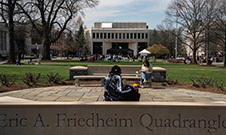
- 대학 학비 마련 막막하다면?… 민간 대출로 부족분 충당
- 졸업생들에게 주는 메세지
- “연방정부 학자금 융자제한 적신호”
- AI 시대, 우리 아이가 알아야 할 10가지 기술
- 38만달러짜리 졸업장, 누가 감당할 수 있나
- ‘못 받을거야’ 섣부른 짐작 금물… 대학 재정보조 신청 요령
close
- “찬물 샤워가 답 아니었다”… 폭염 속 체온 뚝 떨어뜨리는 의외의 ‘맥박점’
- 암수술 후 ‘림프 부종’ 나타나면 병원으로 달려가세요
- [건강포커스] “단백질 섭취 적은 노인, 근력약화·일상생활 장애 위험 높아”
- [임영빈 박사 건강 칼럼] 파킨슨병 치료, 어렵지만 할 수 있다.
- “여름에 무조건 챙겨 먹어라”… 수박 속 성분 심혈관 살린다
- 양치 ‘333법칙’ 믿고 따랐는데… 오히려 이빨 다 상할 수 있다는데
close

- 이름만 들어도 설레는 예술과 낭만, 정열의 나라를 가다
- 빌리 아일리시 라이브 인 3D‘경험’의 경계를 허물다
- “절대 돌아가지 않을 거야”… 자유를 향한 두 여자의 질주
- 휠체어 타고 바다로? 안 보여도 걷지 못해도 가능한 ‘무장애 여행’
- 아름답고 달콤한 포복절도할 로맨틱 코미디
- 다양한 장르를 잘 조율한 상큼하고 따스한 인물 탐구 영화
close

- ‘렌트 백’으로 계약부터 성사?…예상치 못한 위험 더 커
- ‘편안함·기능성’ 강조… 최신 웰빙 주거 트렌드
- 상업 건물의 진짜 몸값과 전략
- ADU, 이제는 선택이 아닌 부동산 전략
- 비싸지만 비싼 게 아니다… 신축주택 고려 이유
- 신축주택 ‘빌더 워런티’… 보장 ‘범위·기간’ 등 확인해야
close

- MC몽, 의혹 재차 반박 “차가원과 밀월여행? ‘PD수첩’ 검증도 없었다”
- ‘진태현♥’박시은, 입양딸 ‘셋’..그 중 한 명만 공개한 이유 “허락 필요”
- “이런 등기부등본은 처음” 전문가도 절레..이승기, 해명에도…
- ‘6월의 신부’ 문채원, 결혼 앞두고 웨딩드레스 자태 공개
- BTS 진·코르티스→韓귀화 에바, ★들의 투표 인증 릴레이
- ‘우지원 딸’ 우서윤, 미스코리아 본선 진출..우월한 ‘선’ 비주얼 포착
close


I don’t mean Americans awaiting the Electoral College’s validation of Donald Trump.
I mean students (and their parents) awaiting actual colleges’ verdicts on early-decision and early-action applications.




One friend of mine canceled our dinner plan because he hadn’t realized that it fell around the time when his daughter expected word from her top Ivy League choice. He and his wife couldn’t leave her home alone in such a tremulous state, at such a terrifying juncture.
Another friend’s daughter, also vying to get into a highly selective school, repeatedly burst into tears as she berated herself for a 3.9 grade point average instead of a 4.0. What if the difference spelled her doom?As I’ve written before, the college admissions process has become a dignity-ravaging frenzy, illustrated by the plot of a recent episode of the TV drama “Law & Order: Special Victims Unit.” It asked whether a man assuming a fake identity to seduce women could be prosecuted for rape.
What identity do you suppose he chose as the most potent and irresistible? Not a Hollywood director who could make the women stars. Not a Wall Street titan who could drape them in jewels. He impersonated a dean of admissions who could give their kids slots at an elite university. And one after another, these helicopter moms whirled into the boudoir.
Early decision and early action, which are offered by some 450 colleges, are a special and especially disturbing part of the frenzy. They refer to a process by which, broadly speaking, a student applies in November to just one, most-desired school, which answers in December. If the school practices early decision and says yes, the student is obliged to go. Early action isn’t binding.
At least since 2001, when The Atlantic published a definitive article by James Fallows titled “The Early-Decision Racket,” there’s been fervent discussion of the downsides of the process. But it’s more prevalent than ever, with some selective schools using it to fill upward of 40 percent of their incoming freshman class.
The biggest problem by far: It significantly disadvantages students from low-income and middle-income families, who are already underrepresented at such schools. There’s plenty of evidence that applying early improves odds of admission and that the students who do so — largely to gain a competitive edge — come disproportionately from privileged backgrounds with parents and counselors who know how to game the system and can assemble the necessary test scores and references by the November deadline.
These students also aren’t concerned about weighing disparate financial-aid offers from different schools and can commit themselves to one through early decision. Less privileged students need to shop around, so early decision doesn’t really work for them.
“That’s just unfair in a profound way,” said Harold Levy, the executive director of the Jack Kent Cooke Foundation, which has pushed to make elite colleges more socioeconomically diverse.
Early decision moves the admissions process forward on the calendar, so that high school students start obsessing sooner. They press themselves to single out a college at the start of senior year, when they may not understand themselves as well as they will toward the end of it.
“How many 17-year-olds know what they really want to do in life?” said Micheal McKinnon, an independent educational consultant in the Chicago area. The more time they have to figure it out, the better.
He added that students who win early admission often feel that “they can slack off for the rest of senior year,” rendering the last semester pointless.
But what worries me more is how the early-application process intensifies much of what’s perverse about college admissions today: the anxiety-fueling, disappointment-seeding sense that one school above all others glimmers in the distance as the perfect prize; the assessment of the most exclusive environments as, ipso facto, the superior ones.
That’s hooey, but it’s stubborn hooey, as the early-application vogue demonstrates. Marla Schay, the head of guidance at Weston High School, in an affluent suburb outside Boston, told me that while 60 percent of the seniors there submitted early applications seven years ago, it’s above 86 percent now.
And Williams College just admitted nearly 47 percent of next fall’s freshmen through early decision. That benefits the college, which has locked in much of the Class of 2021. Maybe it also benefits the students who were admitted and can now calm down, though I wonder how many felt rushed to identify Williams (or Duke or Vanderbilt or Colgate) as their truest love.
I wonder, too, how many came to regard higher education as one big board game that’s about attaining prestige rather than acquiring knowledge.
로컬뉴스
more
주택가격 상승세 지속 실질가치는 연속(16개월) 하락
샌디에고 지역 주택 가격이 올해도 상승세를 이어가고 있는 가운데, 높은 인플레이션과 모기지 금리 부담으로 실질적인 자산 가치는 오히려 감소한 …

아리랑 합창단 “아름다운 선율에 사랑 심어요”
오렌지카운티 한인 커뮤니티에서 잘 알려져 있고 가장 오래된 여성 합창단 중의 하나인 ‘아리랑 합창단’(단장 김경자)이 올해로 창립 31주년을 …
한양대 최고 경영자 과정 골프대회 성황
한양대학교 글로벌최고경영자과정(HGCEO) 총동문회(회장 폴 김)는 지난달 22일 코요테 힐스 골프클럽에서 80여 명의 동문 및 13기 과정 …
SD 한인성당 ‘본당의 날’ 맞아 야외미사 성료
지난 31일 샌디에고 한인성당(주임 민광호 요셉 신부)은 본당의 날을 맞아 약 350명의 신자들이 참석한 가운데, 어드미럴 베이커 파크에서 미…
이주희 음악학원 제12회 자선 음악회 성료
지난달 17일 제이에치음악학원(JH Music Studio)의 이주희 원장과 학생들은 에드브라운센터에서 제12회 자선음학회를 개최했다. 글로벌…
사람·사람들
more

한국일보 안내광고
- 렌트/리스/하숙
- 구인구직
- 중고차
- 전문업체



- 1
 “조지아 한국인 구금사태후 美비자 절차 상당…
 - 2
 트럼프 “모즈타바, 협상 관여…만나고 싶고,…
 - 3
 [6·3 지선] ‘부정선거’ 주장 시위대, …
 - 4
 워시 신임 연준의장, 취임후 보수성향 연구자…
 - 5
 조폭 출신 BJ, 자전거 종주 생방 중 교통…
 - 6
 국무 “레바논·이스라엘, 오늘 공동성명·행동…
 - 7
 ‘47세’ 탕웨이, 김태용 감독과 둘째 출산…
 - 8
 국무 “美기업들 향한 한국의 일부 태도, 무…
 - 9
 스페이스X, 기업가치 1조7천500억 달러 …
 - 10
 “1000억대 소송할 것” MC몽, ‘PD수…
- 11
 ‘대박’ 이정후 8회 긴급 대타 출장→적시타…
 - 12
 연방하원 데이브 민·영 김, LA 시장 배스…
 - 13
 네타냐후, ‘욕설’ 트럼프 불화설 일축 “주…
 - 14
 ‘평가전서 13번’ 손흥민, 상징의 7번 달…
 - 15
 재무 “이란 물가상승률 200% 넘을듯…통화…
 - 16
 방탄소년단 ‘SWIM’, 美 빌보드 ‘글로벌…
 - 17
 박미선, 유방암 투병 심경 고백 “항암 16…
 - 18
 이란 “총성엔 미사일로 대응”…쿠웨이트 공습…
 - 19
 美 최대 압박에 쿠바서 글로벌호텔 ‘엑소더스…
 - 20
 ADP 발표 5월 민간고용 12만2천명 증가…
- 21사위가 일가족 살해‘충격’
- 22
 메디캘 치과혜택 축소된다… 7월부터 정기검진…
 - 23
 韓 6·3 지선 개표 중반, 민주 14곳·국…
 - 24
 엘리콧시티 상가, 범죄·사칭 행각 기승
 - 25한방 침술 건보 의무화 법안 뉴욕주 상·하원 최종 통과
- 26메디케이드 수혜자‘근로요건’지원법 추진
- 27
 첫 주택구매 ‘숨통’… 정부 지원 역대 최대
 - 28
 가주 건강보험료 급등 ‘오바마케어’ 이탈 가…
 - 29
 국힘, 선관위 항의방문… “선거무효소송 내고…
 - 30“벌금 걱정없이 안전점검 받으세요”








오피니언
 정숙희 논설위원
다니엘 하딩, LA 필의 새 음악감독
 메건 매카들 워싱턴포스트 칼럼니스트
 [메건 매카들 칼럼] AI 소설은 새로운 패스트푸드
- 김동찬 시민참여센터 대표
[미국은 지금] 대이란 전쟁의 책임이 몰고올 후폭풍
- 이명숙 수필가
[수요에세이] 바람개비
- 한영일 / 서울경제 논설위원
[만화경] 외면받는 선거홍보물
 민경훈 논설위원
워싱턴의 ‘개구리와 전갈’

카운트다운 쿠바 붕괴
 나태주
나태주 ‘천천히 가는 시계’
 옥세철 논설위원
죽어가는 러시아가 더 위험하다고…
1/3
지사별 뉴스

팰팍 시장 민주당 예비선거서 폴 김 승리
선거 막판까지 상호 비방과 네거티브 공방으로 치열한 과열 양상을 보였던 뉴저지주 팰리세이즈팍(팰팍) 시장 민주당 예비선거에서 결국 폴 김 시장…
한방 침술 건보 의무화 법안 뉴욕주 상·하원 최종 통과

엘리콧시티 상가, 범죄·사칭 행각 기승
한인 상가가 밀집한 엘리콧시티 지역에서 무단침입과 사칭 행각, 절도 등 범죄가 잇따라 발생, 상인들의 각별한 주의가 요구된다.최근 제보에 따르…
페어팩스 카운티 고교 졸업 시즌

데이브 민·영 김 결선행… LA 시장 배스 1위
2일 치러진 캘리포니아 예비선거에서 한인 연방하원 현역 의원들인 데이브 민(민주) 의원이 가주 47지구 1위로, 영 김(공화) 의원이 가주 4…
‘제5회 오클랜드 이스트베이 한인회 골프대회’























 | ||
|



- 로그인
- 회원가입
Koreatimes.com 서비스는 Ktown1st.com과 통합계정입니다. 계정이 없으신 분은 회원가입을 해 주세요.
.png)



댓글 안에 당신의 성숙함도 담아 주세요.
'오늘의 한마디'는 기사에 대하여 자신의 생각을 말하고 남의 생각을 들으며 서로 다양한 의견을 나누는 공간입니다. 그러나 간혹 불건전한 내용을 올리시는 분들이 계셔서 건전한 인터넷문화 정착을 위해 아래와 같은 운영원칙을 적용합니다.
자체 모니터링을 통해 아래에 해당하는 내용이 포함된 댓글이 발견되면 예고없이 삭제 조치를 하겠습니다.
불건전한 댓글을 올리거나, 이름에 비속어 및 상대방의 불쾌감을 주는 단어를 사용, 유명인 또는 특정 일반인을 사칭하는 경우 이용에 대한 차단 제재를 받을 수 있습니다. 차단될 경우, 일주일간 댓글을 달수 없게 됩니다.
명예훼손, 개인정보 유출, 욕설 등 법률에 위반되는 댓글은 관계 법령에 의거 민형사상 처벌을 받을 수 있으니 이용에 주의를 부탁드립니다.
Close
x