


 교육
교육

- 장동혁 “美공화당과 핫라인 구축”… ‘미국 방문 맹탕’ 비판 반박
- 美해군, 호르무즈 기뢰 제거에 드론 투입… “손실돼도 대체 가능”
- 휴전 시한 임박…미국·이란, 극적 합의냐 전쟁 재개냐 갈림길
- “국가안보국, 국방부 블랙리스트 오른 앤트로픽 미토스 사용”
- 이란, 호르무즈 통제법 곧 시행… “양보할 수 없는 권리” 주장
- HLB 엘레바, AACR서 리라푸그라티닙 ‘FGFR2 고선택성’ 추가 입증
close
- [텔루라이드 특집] “대형 SUV의 새 기준… 성능·연비·가격 다 잡았다”
- CJ대한통운 美법인, 북미 최대 물류 전시회 ‘MODEX 2026’ 참가
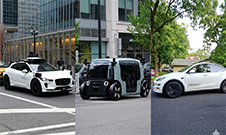
- 테슬라, 댈러스·휴스턴으로 로봇택시 확장… 4개도시 운영
- ‘엔비디아 대항마’ 세레브라스, 나스닥 상장 재도전
- “머스크 형제, 2만3천400 비트코인 보유… 17억 달러 상당”
- “메타, 내달 전체 인력 10% 구조조정…하반기에 추가 감원”
close

- ‘아 황희찬, 결국 2부리그 가나’ 울버햄튼, 리즈에 0-3 패배... 사실상 강등 확정 “8년 만에 챔피언십 추락”
- ‘캡틴’ 박지성 ‘진심모드’ 수원 삼성 레전드와 붙었다, 감동의 출격... 경기는 0-1 패배
- ‘아, 4연속 보기... ‘ 김세영, 그래도 3R 단독 1위 수성... 윤이나 ‘2타 차’ 공동 2위 점프
- “누가 SON 골 못 넣는다고 비난하나” 美 전설, 손흥민 향해 분노의 ‘극찬’... “나보다 높은 수준, 클래스 의심 못해”
- ‘타구질이 달라졌다’ 이정후 멀티히트, 타율 0.185→5G 연속 안타→0.253 급상승... 팀은 연장 끝 7-6 ‘3연승 질주’
- EPL 승격잔치에 초대 못 받은 양민혁 ‘12경기 연속 명단 제외’... 코번트리 EPL 가도 ‘Min-hyeok’ 있을까
close

- 칼에 꽂혀 ‘무 깎기 대회’ 우승… 미슐랭 칼 연마하는 요리사
- 이란 전쟁이 일깨운, 고통스러운 미술의 가치
- 이어지는 울림, 서로를 듣는 힘
- ‘노마’로 간 한국 셰프... “한국식 발효, 세계에 알릴래요”
- 일본 최고 별미는 이곳에… 홋카이도서 먹어야 할 네 가지
- 슬기로운시니어생활 55회
close

- 고교 인턴십 체험…‘전공 선택·진로 결정’에 큰 도움
- AI 시대에 중요한 교육이슈
- 돈이 전부는 아니지만… 대학원 전공별 ‘수익률 격차’ 뚜렷
- “대학 학자금 재정보조의 허점을 공략하라”
- 미국 대학이 원하는 ‘진짜’ 프로파일
- 명문대 지원서, 완벽함이 ‘독’ 될 수 있다
close

- 접수만 해도 ‘서울 왕복 항공권’ 응모…LA 한국 명의 건강설명회 5월 개최
- AI 시대에도 남는 것, 결국 ‘친절’과 ‘의술’
- “생리통인 줄 알았는데”… 난임·유산 위험 ‘자궁근종’ 환자 급증
- [건강포커스] “GLP-1약 10명 중 1명 내성 가능성…유전변이 따라 효과 달라”
- 아침마다 ‘유산균’ 꼭 챙겨먹는데… 커피마시면 아무 효과 없어
- 장시간 앉아서 스마트폰 보고 있다면?…허리디스크 지름길
close

- 놀러 가기 무서운 고물가·유가… 0원으로 즐기는 무지출 여행
- “자본주의 압박 속 세대 간의 은근한 갈등”
- 계급 간 격차와 인간 본성 파고드는 잔혹 심리극
- 봄바람 거슬러 남도로, 봄바다 따라 고흥 거금도 자전거 한 바퀴
- 요트 안에서 세대가 다른 가진 자와 못가진 자의 권력투쟁
- ‘정치ㆍ사회 풍자영화이자 한 여인의 속죄 행적이자 참회록’
close

- 렌트비 가뜩이나 비싼 데… 숨은 ‘뱀파이어 비용’부터 확인
- ‘픽서어퍼’ 투자로 돈 번다는데… 계산 실수하면 오히려 손해
- 1031 Exchange의 DST와 절세의 끝판왕 ‘OZ’(Opportunity Zone)
- 보이지 않는 비용 폭탄, 하수관을 점검하라
- 렌트비 낮출 방법은?…임대 계약시 효과적인 협상 전략
- 틱톡 트렌드는 잊어라… 시대 거스르는 ‘타임리스’ 디자인 인기
close
- TXT, 8년차의 힘! 미니 8집 초동 180만장 돌파..7연속 초동 밀리언셀러
- ‘현빈♥’ 손예진, 5세 아들이 찍은 부부 사진 자랑..남편은 모자이크
- ‘이나은과 열애설’ 김영대, 오늘(20일) 육군 현역 입대
- 방탄소년단, ‘빌보드 200’ 3위..한 달 째 전 세계 사로잡았다
- “일회성 기부에 그치지 않고..” 박정민, 장애인의 날 맞아 보건복지부 장관 표창
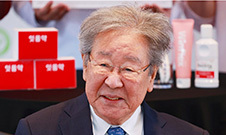
- ‘건강이상설’ 최불암, 내달 다큐로 근황 공개… “광대의 마음” 소회
close
Building Responsibly: What It Really Means


Amelia Woo 학생기자 페어몬트 아카데미 11학년
The risks of overambitious innovation are all around us. Bridges built to be taller or longer than necessary, for the sake of being better, can strain under their own ambition and put every traveler at risk. Medical devices released too quickly can save lives, but they can also misdiagnose, mislead, and harm the patients who rely on them. Software and AI developed in a rush can amplify biases already ingrained in society, deciding who receives care, who gets opportunities, and who is seen or ignored. Even large energy projects meant to benefit the public can have the opposite effect, displacing communities or disrupting ecosystems. In these cases, the problem is not the technology itself; the problem is the choice to pursue progress without pausing to consider its effects.
History and stories remind us why reflection matters. In Frankenstein, Victor Frankenstein creates life without asking what it means to take responsibility for that creation. His ambition blinds him to the consequences, and in the name of science and ambition, he loses himself and everyone he loves. This is a warning that resonates today, perhaps more than ever. We see big companies relentlessly moving forward in the name of innovation, without consideration for what happens when they finally succeed in accomplishing the impossible. When those threats finally come to a head, we can expect them to react just like Victor Frankenstein, with fear and the relinquishment of responsibility. When this happens, the consequences are living, breathing, and undeniably human; therefore, they represent a very real problem we should be aware of.
Building responsibly does not mean stopping progress. It means slowing down long enough to consider the impact. It means asking who will benefit, who might be harmed, and how this will affect the lives of real people, not just abstract numbers made to satisfy higher ups. Innovation, when paired with purpose, can transform lives. When it is rushed or pursued for its own sake, it can destroy them. To build responsibly is to recognize that progress is not just a measure of what can be done; it is a reflection of what should be done. Only then does innovation stop being a display of human cleverness and start being a tool for lasting, meaningful change.
<Amelia Woo 학생기자 페어몬트 아카데미 11학년>
로컬뉴스
more
미주복음방송 개국 35주년 감사예배 가져
애나하임에 있는 미주복음방송(사장 이영선 목사)은 지난 8일 LA나성순복음교회(담임 진유철 목사)에서 개국 35주년 감사예배및 이사장 이·취임…

부에나팍 시 ‘자폐 수용의 달’ 공식 선포
한미특수교육센터(소장 로사 장)는 지난 14일 부에나팍 시청에서 열린 자폐 수용의 달(Autism Acceptance Month) 기념 행사에…
‘러브 부에나팍’ 행사 25일 시청앞 출정식
부에나팍 시는 지역사회에 보답하는 연례 봉사의 날 행사인 ‘러브 부에나팍(Love Buena Park)’을 개최한다.이 행사는 오는 25일(토…
‘장한 어버이’ 신청…접수 마감 오는 30일
‘한마음 봉사회’(회장 김선옥)는 어버이 날인 5월 14일(목) 오전 11시 가든그로브 한인타운에 소재한 오렌지카운티 한인회관에서 행사를 가진…
사이프레스 시 커미셔너 모집
사이프레스 시는 자원봉사할 커미셔너를 모집 중이다. 신청 접수는 오는 24일(금) 오후 5시까지이다.해당 분야는 레크리에이션 및 커뮤니티 서비…
사람·사람들
more
한인 테너 듀크 김 LA 오페라 ‘아티스트상’ 수상
남가주 출신의 한인 성악가가 LA 오페라(LA Opera)가 선정한 권위 있는 ‘에바·마크 스턴 아티스트상’ 2026년 수상자로 선정됐다. L…

“한국 전통 음악의 울림”
한국 전통음악의 정수와 현대적 감각이 만나는 특별한 음악적 여정이 LA에서 펼쳐진다. 서울대 음대 남가주 동창회(회장 이현림)이 서울대 남가주…
샘 신 가주 상원 26지구 후보 후원 모임
캘리포니아 주 상원의원 26지구 선거에 출마한 샘 신(영어명 Sang Sam Shin Masog) 후보를 후원하기 위한 한인들의 모임이 16일…
녹색공방 도자기전, 내달 2~3일 브레아서
도자기 예술의 미학을 한자리에서 만날 수 있는 ‘녹색공방 도자기전’이 오는 5월 2일과 3일 이틀간 브레아에서 열린다. 이번 전시는 다양한 작…
“40년을 이어온 섬김… 장학사업 확대”
남가주 한인사회에서 40년째 장학사업을 이어오고 있는 경기장학재단(이사장 김선규)이 올해도 차세대 인재 양성을 위한 장학생 모집에 나섰다. 재…
한국일보 안내광고
- 렌트/리스/하숙
- 구인구직
- 중고차
- 전문업체



- 1
 ‘외교 갈등’ 중일, 이번엔 군사긴장 고조……
 - 2
 “나 미국사람이야” 체류연장 없이 버… 3
 - 3
 FBI 국장, ‘잦은 과음 의혹’ 보도에 2…
 - 4
 구글·아마존·테슬라 3파전… 로봇택시… 1
 - 5
 워시 연준의장 후보 “대통령 금리발언, 연준…
 - 6
 美 “해협봉쇄후 27척 회항”…나포 상선서 …
 - 7
 이란 외무 “美 위협이 협상 장애물…모든 측…
 - 8
 트럼프 “이란과 추진중인 핵 합의, 오바마 …
 - 9
 어도비, 오픈AI와 ‘챗GPT 광고’ 동맹……
 - 10
 美·이란, 휴전시한 직전까지 안갯속…내부혼선…
- 11
 靑 “한-인도 정상, 중동전쟁 속 긴밀공조……
 - 12
 뉴욕증시, 미·이란 2차 협상 앞두고 소폭 …
 - 13
 트럼프 “휴전 22일 저녁 만료…연장 가능성…
 - 14
 aT, 휴스턴지사 개소…K-푸드 美남부·중남…
 - 15
 이란 외무부, 군부에 혼쭐 ‘호르무즈 개방’…
 - 16
 송중기♥케이티 부부, 첫 동반 활동에 관심 …
 - 17ICE, 다카 수혜자 추방 본격화
- 18
 한인 밀집지 주택 연쇄 강·절도 ‘비… 1
 - 19
 러 외무차관 “미국 등이 핵실험금지 위반하면…
 - 20
 70대 한인 남성 2개월 넘게 실종
- 21코스코, 중고 애플 보상 아이폰, 아이패드 포함
- 22
 한인 운전자 피격 사망 유족, 리프트 상대 …
 - 23
 민주, ‘2028전대’ 후보지 고심… “공화…
 - 24
 블랙핑크 지수 측, 가족 논란에 선 그었다 …
 - 25
 “정말 뭐 같은 날” 극대로… ‘또’… 1
 - 26
 일라이릴리, 혈액암치료 차세대신약 개발사 7…
 - 27
 에너지 장관은 아니라는데…트럼프 “종전 즉시…
 - 28
 “이란 권력다툼 심각한듯…美, 누구와 협상할…
 - 29
 총 들고 가출 등 치명적인 정신적 위기 있었…
 - 30
 주유소서 강도 총격 사건 발생









오피니언
 옥세철 논설위원
‘중동판 그레이트 게임’의 서막이…
 조옥규 수필가
 장미꽃을 든 여자
 메건 매카들 워싱턴포스트 칼럼니스트
 앤트로픽의 새로운 ‘악몽’이 의미하는 것

‘출생시민권’ 흔들기 멈춰야
-
우표와 주화에 새기는 한미 우호
 신경립 서울경제 논설위원
‘분쟁의 시대’에 살아남는 법
- 성민희 수필 평론, 소설가
[윌셔에서] 서로의 거울로 늙어가는 일
- 조철환 한국일보 오피니언에디터
[지평선] 진영을 뛰어넘는 보수주의
- 김현 더불어민주당 의원
[로터리] 에이전틱 AI 시대의 책임과 과제
지사별 뉴스

트럼프“미국 협상단 20일 파키스탄에”…이란측“봉쇄부터 풀라”
도널드 트럼프 대통령은 19일 미국 대표단이 이란과 협상을 위해 파키스탄으로 가고 있다고 밝혔다. 그러나 이란이 합의하지 않으면 핵심 인프라 …
ICE, 다카 수혜자 추방 본격화

총 들고 가출 등 치명적인 정신적 위기 있었다
순회법원 “정신과 전문가 도움없어 우려” 표명 이혼 소송 2년간 ‘한지붕 아래 별거’로 긴장감“이달 30일까지 집 떠나라” 명령이 기점된 듯…
한인사회도 ‘K자형 소비 양극화’

“트럼프, 호르무즈 재봉쇄 위기 속 백악관 상황실 회의 소집”
도널드 트럼프 대통령이 18일 이란의 호르무즈 해협 재봉쇄 및 이란과의 종전 협상을 논의하기 위해 백악관 상황실 회의를 소집했다고 미 인터넷매…
둘 다섯’ 공연 성황리에 마쳐





















 | ||
|



- 로그인
- 회원가입
Koreatimes.com 서비스는 Ktown1st.com과 통합계정입니다. 계정이 없으신 분은 회원가입을 해 주세요.
.png)



댓글 안에 당신의 성숙함도 담아 주세요.
'오늘의 한마디'는 기사에 대하여 자신의 생각을 말하고 남의 생각을 들으며 서로 다양한 의견을 나누는 공간입니다. 그러나 간혹 불건전한 내용을 올리시는 분들이 계셔서 건전한 인터넷문화 정착을 위해 아래와 같은 운영원칙을 적용합니다.
자체 모니터링을 통해 아래에 해당하는 내용이 포함된 댓글이 발견되면 예고없이 삭제 조치를 하겠습니다.
불건전한 댓글을 올리거나, 이름에 비속어 및 상대방의 불쾌감을 주는 단어를 사용, 유명인 또는 특정 일반인을 사칭하는 경우 이용에 대한 차단 제재를 받을 수 있습니다. 차단될 경우, 일주일간 댓글을 달수 없게 됩니다.
명예훼손, 개인정보 유출, 욕설 등 법률에 위반되는 댓글은 관계 법령에 의거 민형사상 처벌을 받을 수 있으니 이용에 주의를 부탁드립니다.
Close
x