


 뉴욕타임즈
뉴욕타임즈

- 트럼프 “내년봄 최대규모 세금환급…군인 145만명에 특별지급금”
- ‘돈봉투 수수’ 민주당 전현직 의원들 2심 무죄…1심 뒤집혀
- 백악관 역대 대통령 사진에 악플 단 트럼프… “슬리피 조, 최악”
- 트럼프, ‘알코올중독 성격’ 발언한 비서실장에 “계속 직책수행”
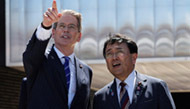
- 위성락 안보실장, 美에너지장관 면담…우라늄농축 등 논의한듯
- 브라운대 총격사건 닷새째 오리무중…수사 진전 없는듯
close
- 아마존, AI모델-칩 조직 통합…AI 유통사 넘어 개발사 변신 포석
- 구글, ‘제미나이3플래시’ 출시… “속도 빠르지만 성능 희생 안해”
- 한인 은행권 확장경쟁 치열… 직원 2분기 연속 증가
- 현대차·기아, 도난방지 장치 추가 합의
- JP모건체이스, 토큰화된 MMF 첫 출시
- 고용시장 ‘한파’… 최장 정부 셧다운 여파
close
- ‘역대 최다승 도전’ 안세영, 왕중왕전 첫 경기 승리했다... 인도네시아 와르다니 2-1 제압
- “손흥민, 일찍 이적했으면 MVP 후보” MLS 뒤흔든 이적 ‘첫손’
- 김하성, 원소속팀 애틀랜타 잔류… 2천만달러에 1년 계약
- 홍명보호 월드컵 직전 6월 평가전은 북중미 가능성 높아
- NBA ‘슈퍼루키’ 달라스 플래그 18세 최초 40득점… 팀은 패배
- FIFA, 북중미 월드컵 최저가 60달러 입장권 발매…폭리 비판에 대응
close
- “또래보다 젊어 보이는 비결”… ‘이것’ 많이 할수록 노화 2배 늦춘다
- 한국에는 사방에 널린 ‘이것’… 몸값 ‘쑥’ 올라 고급 재료로 쓰인다는데, 효능은?
- 슬기로운시니어생활 45회
- 생면, 치즈, 후추로만 만들어도 맛있다… 편안한 음식의 특별한 맛
- “전자레인지에 돌리지 말라”… ‘이것’ 넣으면 1급 발암물질
- 겨울 되니 ‘이 바이러스’ 돌아왔다… “변기 뚜껑 닫고 물 내려야”
close

- 대학 진학에 도움되는 AP… 적합한 과목 적절히 선택해야
- 속속 발표되는 조기전형… 지원자 능력·복합적 요소
- 코끼리에게 배우는 기억의 힘
- 아이비리그 합격 가르는 것은 ‘스펙’ 아닌 ‘습관’
- 슈퍼커리큘러로 열정을 깨워 보세요
- 재정보조 테크닉보다 타이밍의 중요성
close

- 황반변성=노인병? 아니었다… 2030 시력 위협하는 뜻밖의 원인
- 치아 교정 똑같이 받아도… 50대 아빠가 엄마보다 만족, 왜
- 연말연시 과음 후 속쓰림…단순숙취? “급성염증 신호일수도”
- 푹 쉬어도 판다처럼 짙어지는 ‘다크서클’… ‘이 병’ 때문일수도
- 위암 수술의 재발견… 암·대사질환 막는 ‘신의 한 수’ 될 수도
- “달리기 중 갑자기 실신”… 소아청소년 심정지 위험 신호
close
- 세렝게티에서 맞닥뜨린 버팔로 구출작전… 온몸에 전율
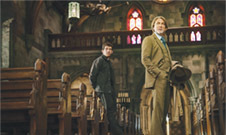
- [주말 뭐 볼까 OTT] 세 번째 수수께끼, 신앙의 무게 짊어진 고딕 미스터리의 귀환
- 다시 돌아온 주토피아… 차이를 넘어선 우정의 진화
- [새 영화] 고립된 차에서 구원 요청하는 5세 소녀와 구조요원들의 다큐 드라마
- ‘아름답고 달콤 씁쓸한 못 이룰 사랑 이야기’
- ‘원조 K굿즈’ 도자기 고장 이천, 달항아리에 내 손길 새겨볼까
close

- “리모델링하면 집값 오르겠지?”… 지나치면 ‘역효과’
- 주택보험료, 2027년까지 16% 인상 전망… 주거비 압박 심화
- 준비된 바이어·셀러가 성공하는 부동산 시장
- “꼭 해야 할 부동산 자산 점검 5가지”
- ‘즉시 입주 가능?’… 자칫 불량 ‘레몬 하우스’ 일 수도
- “새인가, 비행기인가?”… 상공서 집 찍는 ‘AI 풍선’ 등장
close

- ‘신인감독’ 신드롬 어디까지?..김연경, 또 해냈다
- “야, 매운맛 좀 보자”..차승원·추성훈, ‘15년 우정’의 ‘차가네’
- 박나래 빠진 ‘나혼산’ 촬영 현장 어땠나.. “웃음 보장 100% 조합”
- 임창정, 18세 연하 ♥서하얀에 또 반하겠네..우아한 연말 투샷
- “비주얼 천재 맞네”..심형탁 아들 하루, 기저귀 광고 현장서 존재감 폭발
- 박세리 “선수 시절, 계속 연애..결혼 때문에 헤어져”
close
The New Catholic Truce


The specific issues vary with the faith, but there is an essential sameness to what separates Reform Judaism from Orthodox Judaism, evangelical churches from mainline Protestantism, the liberal Episcopal Church from the conservative Anglican Church in North America.
In each case, disagreements about the authority of tradition, the reliability of Scripture, and eventually the proper response to the Sexual Revolution have made it impossible for liberal and conservative believers to remain in community or communion.




Roman Catholicism, however, remains officially united. The church has a conservative wing, a liberal wing, and a low-grade civil war. But the church’s left and right have found ways to coexist, and since the 1970s any kind of rupture has seemed relatively unlikely.
That coexistence depends on a tension between doctrine and practice, in which the church’s official teaching remains conservative even as the everyday life of Catholicism is shot through with disagreement, relativism, dissent.
Because the teaching is consistent, conservatives are reassured that the church is still essentially unchanging, still the faith of the church fathers, Nicaea and Trent as well as Vatican II.
At the same time, the flexibility and soft heterodoxy of many pastors and parishes and Catholic institutions enables liberal Catholics to feel reasonably at home while they wait for Rome to “evolve” in their direction.
Of course many Catholics on both sides have been dissatisfied with this arrangement. And from the outset of his pontificate, it was clear that Pope Francis was one of them, and that he was determined to renegotiate its terms — in liberal Catholicism’s favor.
The question wasn’t just how far he would go in encouraging flexibility. It was how far he could go without hitting a kind of self-destruct button on his own authority, by seeming to change the church in ways that conservative Catholics deem impossible.
Now we have an answer, of sorts. In his new letter on marriage and the family, the pope does not endorse a formal path to communion for the divorced and remarried, which his allies pushed against conservative opposition at two consecutive synods in Rome, and which would have thrown Catholic doctrine on the indissolubility of marriage (and sexual ethics writ large) into flagrant self-contradiction.
But what he does seem to encourage, in passages that are ambiguous sentence by sentence but clearer in their cumulative weight, is the existing practice in many places — the informal admission of remarried Catholics to communion by sympathetic priests.
This move means that the truce is still in effect, but its terms have distinctly changed. There is still a formal teaching that remarriage without an annulment is adultery, that adultery is a mortal sin, that people who persist in mortal sins should not receive communion. And there is no structure or system in church life that contradicts any of this. This much conservatives still have, and it’s enough to stave off a sense of immediate theological crisis.
But there is also now a new papal teaching: A teaching in favor of the truce itself. That is, the post-1960s separation between doctrine and pastoral practice now has a papal imprimatur, rather than being a state of affairs that popes were merely tolerating for the sake of unity. Indeed, for Pope Francis that separation is clearly a hoped-for source of renewal, revival and revitalization, rather than something that renewal or revival might enable the church to gradually transcend.
Again, this is not the clear change of doctrine, the proof of concept for other changes, that many liberal bishops and cardinals sought. But it is an encouragement for innovation on the ground, for the de facto changes that more sophisticated liberal Catholics believe will eventually render certain uncomfortable doctrines as dead letters without the need for a formal repudiation from the top.
This means that the new truce may be even shakier than the old one. In effectively licensing innovation rather than merely tolerating it, and in transforming the papacy’s keenest defenders into wary critics, it promises to heighten the church’s contradictions rather than contain them.
And while it does not undercut the pope’s authority as directly as a starker change might have, it still carries a distinctive late-Marxist odor — a sense that the church’s leadership is a little like the Soviet nomenklatura, bound to ideological precepts that they’re no longer confident can really, truly work.
A slippage that follows from this lack of confidence is one of the most striking aspects of the pope’s letter. What the church considers serious sin becomes mere “irregularity.” What the church considers a commandment becomes a mere “ideal.” What the church once stated authoritatively it now proffers tentatively, in tones laced with self-effacement, self-critique.
Francis doubtless intends this language as a bridge between the church’s factions, just dogmatic enough for conservatives but perpetually open to more liberal interpretations. And such deliberate ambiguity does offer a center, of sorts, for a deeply divided church.
But not one, I fear, that’s likely to permanently hold.
<ROSS DOUTHAT>
로컬뉴스
more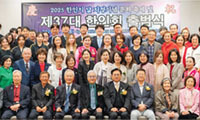
“한인사회를 더욱 건강하고 활기 있게 만들 터”
지난 13일 한인문화유산의 달 지정 기념 문화축제 및 제37대 샌디에고 한인회 출범식이 미션베이 힐튼호텔에서 150여명이 참석한 가운데 성황리…
“K-수처리 기술력으로 인프라 개선”
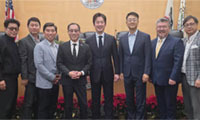
서울시 명예시장 겸 세계한인비즈니스대회 홍보대사인 배우 정준호 씨가 지난 10일 프레드 정 풀러튼 시장에게 ‘경동나비엔’의 혁신 수처리 시스템…
‘페어 하우징 파운데이션’ 부에나팍에서 주택 웍샵
‘페어 하우징 파운데이션’(Fair Housing Foundation)은 내년 1월 7일(수) 오후 2시부터 4시까지 부에나팍 엘러스 이벤트 …
장학금 전달 ‘뜻깊은’ 송년회
“시니어들이 즐거운 시간을 가지면서 장학금도 전달했어요”‘실비치 레저월드 한인회’(회장 스티브 정)는 지난 11일 클럽하우스 CH2에서 300…
두 한인 경관 ‘올해의 경관상’ 수상
샌디에고 경찰국 소속 한인경관 두 명이 샌디에고 시의회에 의해 올해의 경찰로 선정돼 화제가 되고 있다. 두 경관이 올해의 경찰이 된데에는 지난…
사람·사람들
more![[송년행사 화보] “이웃과 함께 나누고 지인과 함께하니 행복”](http://mimg.koreatimes.com/200/120/manage/la/images/people/1766029093_people_image_0.jpg "[송년행사 화보] “이웃과 함께 나누고 지인과 함께하니 행복”")
[송년행사 화보] “이웃과 함께 나누고 지인과 함께하니 행복”
KYCC13일 윌튼 플레이스 초등학교에서 열린 ‘한인타운청소년회관(KYCC) 홀리데이 카니발’이 성황리에 막을 내렸다. 올해는 KYCC 창립 …
![[송년행사 화보] “ ‘손에 손잡고’ 한 해 마무리… 건강과 행복 기원”](http://mimg.koreatimes.com/200/120/article/2025/12/16/20251216193450695.jpg "[송년행사 화보] “ ‘손에 손잡고’ 한 해 마무리… 건강과 행복 기원”")
[송년행사 화보] “ ‘손에 손잡고’ 한 해 마무리… 건강과 행복 기원”
전주고·북중남가주 전주고·북중 총동창회(회장 백규종)의 2025년 정기총회 및 송년회가 지난 14일 LA 작가의 집에서 성황리에 열렸다. 이날…
[송년행사 화보] “한 해를 마무리하며… 화기애애…
LA 러너스클럽LA 러너스클럽(회장 김두병)은 13일 작가의 집에서 80여명의 회원과 가족이 참석한 가운데 송년회를 마쳤다. 2007년 창립된…
[송년행사 화보] “웃음과 감사 가득 ‘훈훈’… …
한국학교총연합회미주한국학교총연합회(회장 이영숙)가 주최한 제43회 장기 근속교사 포상 및 송년의 밤 행사가 140여명의 교사들이 참석한 가운데…
[송년행사 화보] “친구야 반갑다… 선배님들 모두…
경남중고경남중·고등학교 남가주 동창회(회장 예해덕)는 지난 6일 송년회를 열고 동문 및 가족 60여 명이 참석한 가운데 끈끈한 우정을 확인했다…
한국일보 안내광고
- 렌트/리스/하숙
- 구인구직
- 중고차
- 전문업체



- 1
 위기의 트럼프 “내년봄 최대규모 세금… 1
 - 2
 67명 숨진 워싱턴 여객기·軍헬기 충돌에 정…
 - 3
 尹, 계엄군 장성들에 “미안”…계엄엔… 1
 - 4
 백악관, ‘인플레둔화’ 지표에 반색… “바이…
 - 5
 韓국방부 “美와 핵잠수함 연료공급 협상 2년…
 - 6
 美, ‘네타냐후 체포영장·조사’ 국제형사재판…
 - 7
 노스캐롤라이나주 공항서 商用항공기 추락…”복…
 - 8
 독이 된 박나래 영상..문장 끝 꾹 닫힌 입…
 - 9
 “왜 한국 자산 미국으로 옮겨야 하나… 1
 - 10
 경찰, 통일교 자금줄 쥔 한학자 前비서실장 …
- 11
 ‘라도♥’ 에이핑크 윤보미, 손편지로 결혼 …
 - 12
 어느덧 20주년.. ‘5남매 가족’ 이동국♥…
 - 13
 변정수, 갑상선암→성대결절 고백 “거의 죽음…
 - 14
 엡스타인 ‘공범’ 옛 연인 “공정한 재판 못…
 - 15
 내년 봄 새 앨범→대규모 월드투어..방탄소년…
 - 16
 ‘무려 94.2%’ 안세영 새 역사 썼다, …
 - 17
 LA 소파이 스테디엄 8경기 확정
 - 18
 브라운대 한인학생, 총격참사 극적 생존
 - 19
 “김혜성만큼은 받지 않을까” 송성문 포스팅 …
 - 20“판공비 1만달러 전액 반환하겠다” 3
- 21
 중고차 주행거리 조작 ‘주의보’
 - 22
 하원, ‘트럼프 베네수엘라 군사작전 저지 결…
 - 23
 “금리 대폭인하 신봉자”…트럼프가 곧 낙점할…
 - 24
 “지역 도장과 협동 강화하겠다”
 - 25
 ‘이건희 컬렉션’ 첫 해외 전시에 1만5천명…
 - 26
 구글-메타, 엔비디아 독주 막으려 ‘오월동주…
 - 27
 워싱턴 일원 소비 확 줄어들었다
 - 28
 에어 프레미아 취항, 기대 컸나
 - 29“보이스피싱 이렇게 당한다”
- 30
 크리스마스 연휴 겨울폭풍 남가주 연안 2~…







오피니언
 수잔 최 한미가정상담소 이사장 가정법 전문 변호사
 [수잔 최 변호사의 LIFE &] AI 시대 편리함에 안주하지 말자
- 김도년 성균관대 건축학과 교수 스마트도시·건축학회장
[로터리] 지멘스가 만드는 미래 동네
-
[여명] 금붕어를 키우는 오지선다형 수능
- 허경옥 수필가
[윌셔에서] 잠시 멈추어 서서
- 양홍주 / 한국일보 논설위원
[지평선] 판다 없는 일본
-
[왈가 왈부] 쿠팡 김범석 “글로벌 CEO라 불출석”… ‘맹탕’ 청문회 불보듯
 정숙희 논설위원
칠레에서 영국까지, 27년을 걷다
- 마크 A. 시쎈 / 워싱턴포스트 칼럼니스트
[마크 A. 시쎈 칼럼] MAGA와 ‘힘에 바탕한 외교정책’
- 김동찬 시민참여센터 대표
[미국은 지금] 위기의 시대, 사회안전망은 최후의 방어선이다
지사별 뉴스

‘브라운대 총기참사’ 뉴욕 한인학생도 총상
▶총상 입은 상황서도 동료학생 의식 잃지않도록 도와 ▶부친도 동문 “우리 가족에게 고통스러운 일”지난 13일 발생한 브라운대학교 총기난사(본보…
뉴욕주 안락사 합법화 초읽기 호쿨, “안전장치 마련되면 서명”

워싱턴 일원 소비 확 줄어들었다
올해 8월 워싱턴DC에 범죄와의 전쟁을 명분으로 주방위군이 본격적으로 배치된 가운데, 이 시기 이후부터 버지니아와 메릴랜드, DC 등 워싱턴 …
“북VA 주택시장 가격 급등 없다”

베이지역 스포츠팀, SF 한인회에 후원금
샌프란시스코 베이지역 한인회(회장 김한일)는 한인 메이저리거 이정후 선수의 소속팀인 샌프란시스코 자이언츠(San Francisco Giants…
불자커뮤니티 20일 청소년발표회및 송년회














 | ||
|



- 로그인
- 회원가입
Koreatimes.com 서비스는 Ktown1st.com과 통합계정입니다. 계정이 없으신 분은 회원가입을 해 주세요.
.png)



댓글 안에 당신의 성숙함도 담아 주세요.
'오늘의 한마디'는 기사에 대하여 자신의 생각을 말하고 남의 생각을 들으며 서로 다양한 의견을 나누는 공간입니다. 그러나 간혹 불건전한 내용을 올리시는 분들이 계셔서 건전한 인터넷문화 정착을 위해 아래와 같은 운영원칙을 적용합니다.
자체 모니터링을 통해 아래에 해당하는 내용이 포함된 댓글이 발견되면 예고없이 삭제 조치를 하겠습니다.
불건전한 댓글을 올리거나, 이름에 비속어 및 상대방의 불쾌감을 주는 단어를 사용, 유명인 또는 특정 일반인을 사칭하는 경우 이용에 대한 차단 제재를 받을 수 있습니다. 차단될 경우, 일주일간 댓글을 달수 없게 됩니다.
명예훼손, 개인정보 유출, 욕설 등 법률에 위반되는 댓글은 관계 법령에 의거 민형사상 처벌을 받을 수 있으니 이용에 주의를 부탁드립니다.
Close
x