


 뉴욕타임즈
뉴욕타임즈


- 국힘·개혁신당 “통일교 특검 수용하라”…與 “정치공세·물타기”
- 한국도 참여한 美주도 AI 동맹 “비시장적 관행에 공동 대응”
- TV 나와 암투병 근황 공개한 찰스 英국왕… “조기검진 중요해요”
- 굽히지 않는 젤렌스키…트럼프에 역제안 카드로 레드라인 저지
- ‘고가 논란’ 북중미 월드컵 티켓, 판매 첫날 500만건 신청
- 선교사 아들 가나대사로 금의환향… “한국·가나는 두 어머니”
close
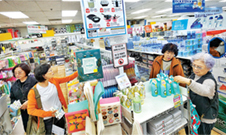
- “귀금속 역사상 가장 극적인 재평가”…올해는 銀이 金 앞섰다 [공준호의 탈월급 생존법]
- “엔비디아, 中수요 반영 H200 증산”…일각선 “中, 수입거부할듯”
- “머스크의 X, 3분기 매출 7억 달러대…순손실 5억 달러대”
- 뉴욕증시, 브로드컴 비관론에 AI 테마 ‘와르르’…나스닥 1.7%↓ 마감
- 기아 EV5, 넷플 ‘나이브스 아웃’ 협업 캠페인…세계 6개국 진행
- PCB, 전국 최고 중소은행 ‘올스타’ 선정
close

- 美 레전드 깜짝 전망 “한국, 북중미 월드컵 A조 1위로 32강”
- 김하성-ATL, 이대로 헤어지나→윈터미팅서만 무려 1005억 지출해버렸다
- 손흥민의 LAFC, 내년 2월 온두라스 팀과 북중미 챔피언스컵 첫판
- “스킨스 앞세운 막강 마운드 뜬다”
- OKC 24승으로 개막 최다승 타이 레이커스는 스퍼스에 119-132 패배
- [전익환 프로의 골프교실] 퍼팅의 거리조절
close

- 생면, 치즈, 후추로만 만들어도 맛있다… 편안한 음식의 특별한 맛
- “전자레인지에 돌리지 말라”… ‘이것’ 넣으면 1급 발암물질
- 겨울 되니 ‘이 바이러스’ 돌아왔다… “변기 뚜껑 닫고 물 내려야”
- ‘이 과일’ 먹고 소변 검사했더니 ‘깜짝’
- 슬기로운시니어생활 44회
- 묵직한 카레는 가라… 점심마다 줄 서는 ‘향신료 카레’
close

- ‘빚’ 없이 졸업 가능… ‘무대출’ 정책 대학이란
- 많이? 아니면 깊이 있게?… 대학, 과외활동 평가 방식
- 1인당 지원 대학 수 증가, 변하는 입시 풍경
- UC 지원서 제출 후 timeline과 checkpoints
- 재정보조 성공 위한 전술적 접근방법의 중요성
- ‘소규모 수업·저렴한 등록금’… 커뮤니티 칼리지 FAQ
close

- 푹 쉬어도 판다처럼 짙어지는 ‘다크서클’… ‘이 병’ 때문일수도
- 위암 수술의 재발견… 암·대사질환 막는 ‘신의 한 수’ 될 수도
- “달리기 중 갑자기 실신”… 소아청소년 심정지 위험 신호
- 불시에 찾아오는 뇌경색… 재관류술 후 ‘이차손상’ 막을 해법 찾았다
- ‘mRNA 치료제 부작용 억제’…단백질 생성속도 처음부터 조절
- “웃음가스 ‘아산화질소’, 항우울제 안 듣는 환자에 치료 효과”
close

- 세렝게티에서 맞닥뜨린 버팔로 구출작전… 온몸에 전율
- [주말 뭐 볼까 OTT] 세 번째 수수께끼, 신앙의 무게 짊어진 고딕 미스터리의 귀환
- 다시 돌아온 주토피아… 차이를 넘어선 우정의 진화
- [새 영화] 고립된 차에서 구원 요청하는 5세 소녀와 구조요원들의 다큐 드라마
- ‘아름답고 달콤 씁쓸한 못 이룰 사랑 이야기’
- ‘원조 K굿즈’ 도자기 고장 이천, 달항아리에 내 손길 새겨볼까
close

- “리모델링하면 집값 오르겠지?”… 지나치면 ‘역효과’
- 주택보험료, 2027년까지 16% 인상 전망… 주거비 압박 심화
- 준비된 바이어·셀러가 성공하는 부동산 시장
- “꼭 해야 할 부동산 자산 점검 5가지”
- ‘즉시 입주 가능?’… 자칫 불량 ‘레몬 하우스’ 일 수도
- “새인가, 비행기인가?”… 상공서 집 찍는 ‘AI 풍선’ 등장
close

- 변요한♥티파니, 결혼 전제 열애 인정
- ‘양육비 미지급’ 김동성 “내가 月700만원? 통장 압류된 신용불량자”
- ‘정국 열애설’에 뿔난 아미 ‘워워’..BTS 완전체, 전역→웃으며 연습실 회동 첫 인증샷
- 김지민 “유부남과 불륜, 날 알리바이로 이용”..친구와 손절한 사연 [이호선의 사이다]
- 정준호 얼굴 훔쳐 가짜 광고..소속사 “악의적 행위, 법적 대응”
- ‘나혼산’ 박나래, 흔적도 없이 하차..전현무→기안84 ‘어두운 낯빛’ 패싱 진행
close
Dude, Where’s My City?


This is great, for realtors and tax collectors. Hooray — we’re shiny, new and less affordable than most cities of the world! Try the kale smoothie.
I look for something else: Could Kramer still live in my city? Yeah, Kramer, the “Seinfeld” character who never held a real job, but had a fairly cool apartment. His source of income was suspect. His schemes were sitcom-absurd. His ambition was, I don’t know, to publish a coffee-table book about coffee tables.





Every town needs its Kramers. And in Seattle, where I was born and still live, where my grandmother spent her last days in subsidized housing with a view of Puget Sound, I’m afraid we’re losing ours.
Job growth is steroidal. The big urban carnivore is Amazon.com, with its global headquarters now gobbling up enough office space in the formerly funky South Lake Union district to fill almost two skyscrapers the size of the city’s tallest building, the 76-story Columbia Center. Twice that amount is in the pipeline, as Amazon seeks to become the world’s largest retailer. Google just announced grand plans for the same neighborhood. A metro area of 3.5 million is adding 60,000 people a year.
Growth, even the metastatic kind, is usually trumpeted with a lot of rah-rah. The opposite — the sad decline of a Detroit, a Cleveland or a Baltimore — is much worse. So who wouldn’t want the fresh money and talent flowing into the vibrant urban centers of the West Coast? Well, this city. And Portland. And San Francisco as well.
Rising rents threaten to push out the quirky and creative types who make these places eternally young and resilient. You saw the pattern in Brooklyn — that urban tipping point. An average wage earner living in Brooklyn would somehow have to spend 120 percent of his or her monthly income to make rent.
In the Bay Area, there’s a desperate effort to keep the last un-gentrified neighborhoods from being taken over by techies, a quixotic mission. In Portland, where young people go to retire, that Krameresque option is fading. What’s next: homeless hipsters in “Portlandia”? It’s already happening. And here in Seattle, it can seem like Amazon is a large foreign presence growing inside of us — a transplant that has yet to take.
During a laser-vision-clear spring week like we’re having now, a forest of construction cranes blocks views of the snowcapped Olympic Mountains to the west of the clangorous technopolis. The views, at least, used to be free. A downtown neighborhood that once featured a bar with a 6 a.m. happy hour and a refuge for sailors called the Catholic Seamen’s Club is now better known for the gleaming new building that was home to the overcompensated creep in “Fifty Shades of Grey.”For all of that, bald eagles nest in city parks and boys and girls in boats still glide over Lake Washington. On Puget Sound’s shore, a working waterfront remains, with foghorns and a briny grittiness. Nature has not been entirely neutered.
Seattle used to want to be like San Francisco, albeit with six months of steady rain. No more. What’s become of San Francisco — the nation’s most childless city, traffic that is frozen all hours of the day, a surfeit of sketchy and unprosecuted property crimes, and 4,300 people on the street — is nothing to duplicate. Talented young people are living in tents, garages, vans, even a wooden box, home for someone paying $400 a month for said confinement. Kramer would need a trust fund.
I’m not against the brogrammers walking the canyons of the Amazon compound in Seattle. I welcome the newcomers who challenge the civic xenophobia of the natives. I’m proud to share a hometown with a philanthropy attempting to give away more money than any private entity has ever tried to do. Two of the great stories of modern America — Amazon and the Bill & Melinda Gates Foundation — define the Seattle of 2016.
But I also wonder if there is any way to slow or mitigate the pace of change, to ensure that the city’s soul is not swept out by the new. How do you contain the excesses of entrepreneurial capitalism and nurture the things you like — original music, food, businesses and literature, affordable homes for cops and Kramers? Unfettered growth just produces more inequality. So does taxing the middle class to death.
A great city has to give space for people to fail, for its Kramers. Other places, much older than the urban adolescents on the West Coast, have grappled with these same problems, with limited success. But that’s one of the things that’s still so invigorating about the West — the past has never been seen as a barrier to inventing a better future.
<TIMOTHY EGAN>
로컬뉴스
more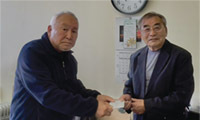
한인 재소자 선교 위한 ‘사랑의 성금’
“연말을 맞이해서 한인 재소자 선교에 조금이나마 도움이 되었으면 하는 바람입니다”한국 문화체육관광부 산하 (사)한국 디지탈 사진가 협회 해외지…
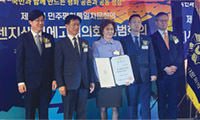
OC 샌디에고 민주평통 출범식 가져
제22기 오렌지 샌디에고 민주평화통일 협의회(회장 곽도원)는 지난 10일 오후 가든그로브 시에 있는 하이얏 레전시 호텔에서 출범식을 가졌다.이…
어바인 경찰국 13일 음주운전 체크포인트
어바인 경찰국(IPD)은 오는 13일(토) 오후 7시부터 다음 날 오전 2시까지 알톤 파크웨이와 컬버 드라이브 인근에서 음주 운전으로 인한 부…
블랙 프라이데이 캠페인 18일 마감
가든그로브 시가 연말 샤핑 기간동안에 상가 활성화를 위해서 실시하고 있는 연례 ‘블랙 프라이데이 캠페인’(Black Friday Goes Bi…
“케이팝 등 다민족 월드 뮤직 연결” 1
어바인 그레이트 팍에 들어서는 ‘더 컬추럴 테라스’(The Cultural Terrace)는 다민족들이 함께할 아름다운 문화 공간이다. 이 곳…
사람·사람들
more![[송년행사 화보] “친구야 반갑다… 선배님들 모두 건강하세요”](http://mimg.koreatimes.com/200/120/article/2025/12/11/20251211213926695.jpg "[송년행사 화보] “친구야 반갑다… 선배님들 모두 건강하세요”")
![[송년행사 화보] “올 한 해 보람 가득… 내년에는 더욱 힘차게 뜁시다”](http://mimg.koreatimes.com/200/120/article/2025/12/10/20251210211121695.jpg "[송년행사 화보] “올 한 해 보람 가득… 내년에는 더욱 힘차게 뜁시다”")
한국일보 안내광고
- 렌트/리스/하숙
- 구인구직
- 중고차
- 전문업체



- 1
![[특파원시선]](http://image.koreatimes.com//article/2025/12/13/20251213172015695.jpg) [특파원시선] 외식비 줄이는 미국… ‘30%…
[특파원시선] 외식비 줄이는 미국… ‘30%… - 2
 정용진 신세계그룹 회장, 밴스 부통령 성탄절…
 - 3
 인도 투어 나선 축구스타 메시…경기장 조기 …
 - 4
 아이비리그 브라운대서 총격…최소 2명 사망,…
 - 5
 10석 안팎까지?…내년 한국 지방선거 때 ‘…
 - 6
 오세훈 “내집 마련 꿈, 10·15대책에 짓…
 - 7
 아이비리그 브라운대서 총격…최소 2명 사망,…
 - 8
 뉴욕 백화점서 아기 기저귀 갈던 엄마, 정신…
 - 9
 변요한♥티파니, 약지에 ‘커플링·포르쉐’..…
 - 10
 1124일만 선고.. ‘20억 횡령 인정’ …
- 11
 조미김, 미국 수출관세 ‘면제’됐다…K-김 …
 - 12
 연말연시 과음 후 속쓰림…단순숙취? “급성염…
 - 13
 트럼프, 시리아서 IS 공격으로 美병사 사망…
 - 14
 한화, 호주 방산업체 최대주주 된다
 - 15
 “한국, 재래식 방위주도” 한미 핵협의그룹 …
 - 16
 한소희, 韓 떠나기 전 의미심장 SN… 1
 - 17
 국방부 “시리아서 공격받아 미군 2명 사망……
 - 18
 김연아♥고우림, 사랑하니 닮아가네..예쁜 커…
 - 19
 통일교 특검 대신 “내란 2차 특검”… 1
 - 20
 종묘 일대 세계유산지구로 세운4구역 개발 영…
- 21
 소셜연금 NY 2,018달러·NJ 2,190…
 - 22‘트럼프 골드카드’신청 시작, 100만달러 내면 미 영주권
- 23
 ‘김민재 점점 독일 국대에 밀린다’ 독일 현…
 - 24
 신혼부부 ‘역대 최저’ 24%는 3억 이상 …
 - 25
 ‘인니 수마트라섬 대홍수’ 사망자 1천명 넘…
 - 26
 변요한♥티파니, 결혼 전제 열애 인정
 - 27
 TV 나와 암투병 근황 공개한 찰스 英국왕……
 - 28
 “다카이치 ‘대만발언’은 對中전략 부재 탓……
 - 29
 굽히지 않는 젤렌스키…트럼프에 역제안 카드로…
 - 30
 국힘·개혁신당 “통일교 특검 수용하라”…與 …









오피니언

22기 LA평통 출범에 거는 기대
-
연말 시즌 사기·범죄 경계해야
 메건 매카들 워싱턴포스트 칼럼니스트
 [메건 매카들 칼럼] 장편영화의 마지막 챕터인가
- 김미선 서북미문인협회 회장시인
[한국춘추] 하늘을 계산한 사람들, 칠정산
- 이희숙 시인·수필가
[금요단상] 그을린 자리에서 다시
- 심상용 / 서울대 미술관장
[미술 다시보기] 지옥에 대하여
- 서정명 / 서울경제 기자
[만화경] 주한미군과 ‘도련선 리스크’
- 한 영 재미수필가협회 회장
[한영의 독서칼럼] 불안한 사람들
- 정영현 서울경제 테크성장부장
[여명] 콘크리트가 데이터가 됐을 뿐, 달라진 게 없다
1/3
지사별 뉴스

“마약밀매·인신매매 등 국제범죄 척결” ‘국토안보 태스크포스’ 뉴욕지부 출범
연방 국토안보부가 10일 ‘국토안보 태스크포스’(HSTF) 뉴욕지부를 출범시켰다.HSTF는 마약 카르텔, 인신매매, 자금세탁, 갱단 등 국제범…
‘오바마케어 보조금’ 올해 말 종료 가능성 ↑ 커져

한국 교사 10명, 페어팩스 초등교 배치
‘글로벌 앰버서더 티처스 프로그램’(Global Ambassador Teachers Program)은 국제 교사 교환 프로그램 가운데 하나로 …
김찬수씨, 포토맥 포럼에 2천달러 기부

아이비리그 브라운대서 총격…최소 2명 사망, 8명 중상
13일 동부 ‘아이비리그’ 명문대 중 하나인 브라운대 캠퍼스 내에서 총격 사건이 벌어져 다수의 사상자가 나왔다.AP통신과 CNN방송 등 언론에…
<부음> 이명무 전 SF 체육회장 부인상



















 | ||
|



- 로그인
- 회원가입
Koreatimes.com 서비스는 Ktown1st.com과 통합계정입니다. 계정이 없으신 분은 회원가입을 해 주세요.
.png)



댓글 안에 당신의 성숙함도 담아 주세요.
'오늘의 한마디'는 기사에 대하여 자신의 생각을 말하고 남의 생각을 들으며 서로 다양한 의견을 나누는 공간입니다. 그러나 간혹 불건전한 내용을 올리시는 분들이 계셔서 건전한 인터넷문화 정착을 위해 아래와 같은 운영원칙을 적용합니다.
자체 모니터링을 통해 아래에 해당하는 내용이 포함된 댓글이 발견되면 예고없이 삭제 조치를 하겠습니다.
불건전한 댓글을 올리거나, 이름에 비속어 및 상대방의 불쾌감을 주는 단어를 사용, 유명인 또는 특정 일반인을 사칭하는 경우 이용에 대한 차단 제재를 받을 수 있습니다. 차단될 경우, 일주일간 댓글을 달수 없게 됩니다.
명예훼손, 개인정보 유출, 욕설 등 법률에 위반되는 댓글은 관계 법령에 의거 민형사상 처벌을 받을 수 있으니 이용에 주의를 부탁드립니다.
Close
x