


 교육
교육

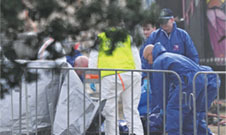
- 지구촌 또 ‘총기 난사’… 미·호주 잇단 참사
- 비극 속 시민의 용기 총격범 맨손 제압
- 19개주, 전문직 비자 ‘10만불 수수료’ 소송
- 인니 수마트라섬 ‘대홍수’
- 트럼프와 여성들 함께 찍힌 ‘엡스타인 사진’ 공개
- 백악관 연회장 신축 저지 소송 국가역사보존단체, 연방지법에
close

- 관세가 끌어올린 물가… 가구당 1,200달러 추가 지출
- 트럼프, ‘각 주정부 AI규제 차단’ 행정명령
- 트럼프, 새 연준의장 ‘2파전’ 시사
- [경제 트렌드] 외식비 줄이는 소비자… ‘팁 공포’ 한몫
- 연은 총재 전원 재임명 연준, 만장일치 표결
- 남가주한인부동산협회, 송년모임 개최
close
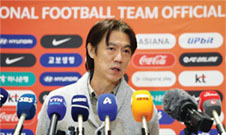
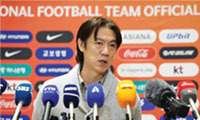
- 홍명보 감독, 멕시코 답사 마치고 귀국… “월드컵서 쉬운 조는 없다”
- 샌안토니오, OKC 17연승 저지…NBA컵 결승 진출
- MLB 도전 송성문에 “5개 팀서 관심”
- ‘이럴수가’ 송성문 ‘120억 초대박 계약’ 무효 가능성 현실화, 美 현지 소식 나왔다 “MLB서 최소 5개 구단 관심”
- ‘단 4개월 만에’ 손흥민 美 정복, MLS 공식 ‘올해의 영입 2위’... “리그 판도 뒤바꿔”
- ‘무려 키패스 3회+평점 8.2’ 이강인 특급 맹활약, 5호 공격P 작렬... ‘간신히’ PSG 선두 탈환
close

- 생면, 치즈, 후추로만 만들어도 맛있다… 편안한 음식의 특별한 맛
- “전자레인지에 돌리지 말라”… ‘이것’ 넣으면 1급 발암물질
- 겨울 되니 ‘이 바이러스’ 돌아왔다… “변기 뚜껑 닫고 물 내려야”
- ‘이 과일’ 먹고 소변 검사했더니 ‘깜짝’
- 슬기로운시니어생활 44회
- 묵직한 카레는 가라… 점심마다 줄 서는 ‘향신료 카레’
close

- 대학 진학에 도움되는 AP… 적합한 과목 적절히 선택해야
- 속속 발표되는 조기전형… 지원자 능력·복합적 요소
- 코끼리에게 배우는 기억의 힘
- 아이비리그 합격 가르는 것은 ‘스펙’ 아닌 ‘습관’
- 슈퍼커리큘러로 열정을 깨워 보세요
- 재정보조 테크닉보다 타이밍의 중요성
close

- 연말연시 과음 후 속쓰림…단순숙취? “급성염증 신호일수도”
- 푹 쉬어도 판다처럼 짙어지는 ‘다크서클’… ‘이 병’ 때문일수도
- 위암 수술의 재발견… 암·대사질환 막는 ‘신의 한 수’ 될 수도
- “달리기 중 갑자기 실신”… 소아청소년 심정지 위험 신호
- 불시에 찾아오는 뇌경색… 재관류술 후 ‘이차손상’ 막을 해법 찾았다
- ‘mRNA 치료제 부작용 억제’…단백질 생성속도 처음부터 조절
close
- 세렝게티에서 맞닥뜨린 버팔로 구출작전… 온몸에 전율
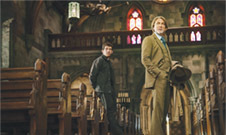
- [주말 뭐 볼까 OTT] 세 번째 수수께끼, 신앙의 무게 짊어진 고딕 미스터리의 귀환
- 다시 돌아온 주토피아… 차이를 넘어선 우정의 진화
- [새 영화] 고립된 차에서 구원 요청하는 5세 소녀와 구조요원들의 다큐 드라마
- ‘아름답고 달콤 씁쓸한 못 이룰 사랑 이야기’
- ‘원조 K굿즈’ 도자기 고장 이천, 달항아리에 내 손길 새겨볼까
close

- “리모델링하면 집값 오르겠지?”… 지나치면 ‘역효과’
- 주택보험료, 2027년까지 16% 인상 전망… 주거비 압박 심화
- 준비된 바이어·셀러가 성공하는 부동산 시장
- “꼭 해야 할 부동산 자산 점검 5가지”
- ‘즉시 입주 가능?’… 자칫 불량 ‘레몬 하우스’ 일 수도
- “새인가, 비행기인가?”… 상공서 집 찍는 ‘AI 풍선’ 등장
close

- 팝핀현준, 수업 중 발언 논란에 교수직 사임… “진심으로 사과”
- 정우성 “현빈과 텐션 점점 무르익어”…사생활 변화엔 “말씀 못 드려”
- ‘박성광♥’ 이솔이, 암 투병 중 안타까운 소식 “병원 몇 번 가는 건지..내 탓”
- 박나래 ‘링거이모’, 진짜 ‘無면허’였다 “박나래 알지만 전혀 기억 안 나”
- 故 김지미에 금관문화훈장…마지막 말은 “보고싶다 사랑한다”
- ‘53세’ 김민종 “2년 안에 결혼한다” 폭탄 발언..일·사랑 모두 잡을까
close
Engineering Hope When the World Pushes Back


Amelia Woo 페어몬트 아카데미 11학년
During the first months of the pandemic, hospitals struggled with overcrowding, and reliable information was difficult to find. While many stayed indoors to protect themselves, researchers and engineers worked long hours, using the tools and knowledge available to push toward solutions. Old machines were pulled out of storage. Notes and data moved between teams before sunrise. Half-formed sketches turned into working solutions because trying felt better than standing still. It was not optimism that kept things moving-it was a steady sense of duty pressing people forward.
That same sense of responsibility shapes the work surrounding climate change. Coastal towns study tides creeping higher each year. Farmers in the center of the country adjust to seasons that no longer behave the way they once did. Scientists monitor shifting weather patterns, and engineers develop ways to help communities prepare before a storm arrives. Solar projects expand street by street, and warning systems give families enough time to move to safer ground. Technology supports this work, but it never replaces the people guiding it or the choices they must make. A computer might point toward a hurricane, but it cannot understand what it means to pack up a home. A satellite might record the spread of drought, but it cannot feel the weight carried by someone watching their crops fail. Technology broadens our reach, but the responsibility remains human.






Some problems are harder to untangle. Not every region has the same resources or level of protection. Certain solutions raise questions about fairness or how information is used, while others risk benefiting communities that already have the greatest advantages. These concerns demand attention because meaningful progress depends on care. Engineering hope is not only about solving a problem; it is about doing so in a way that respects the people most affected by it. It means choosing to continue even when answers take longer than expected or must be rebuilt from the ground up. Progress without equity is not progress at all.
What makes science powerful is not flawless work but the willingness to persist. A researcher repeats a test that failed the day before. An engineer returns to a design that resists improvement because someone will rely on its final form. Science is often described as discovery, yet in moments of crisis, it becomes a promise of responsibility. To engineer hope is to recognize that the future is not fixed. It can be shaped, steadily and deliberately, by people who believe the effort is worth it. When that happens, hope stops feeling distant. It becomes steady, within reach, and something we can build together, piece by piece.
<Amelia Woo 페어몬트 아카데미 11학년>
로컬뉴스
more
사람·사람들
more![[송년행사 화보] “웃음과 감사 가득 ‘훈훈’… 함께해서 행복”](http://mimg.koreatimes.com/200/120/article/2025/12/14/20251214204413695.jpg "[송년행사 화보] “웃음과 감사 가득 ‘훈훈’… 함께해서 행복”")
![[송년행사 화보] “친구야 반갑다… 선배님들 모두 건강하세요”](http://mimg.koreatimes.com/200/120/article/2025/12/11/20251211213926695.jpg "[송년행사 화보] “친구야 반갑다… 선배님들 모두 건강하세요”")
한국일보 안내광고
- 렌트/리스/하숙
- 구인구직
- 중고차
- 전문업체



- 1
 트럼프와 여성들 함께 찍힌 ‘엡스타인 사진’…
 - 2
 비극 속 시민의 용기 총격범 맨손 제압
 - 3
 지구촌 또 ‘총기 난사’… 미·호주 잇단 참…
 - 4
 19개주, 전문직 비자 ‘10만불 수수료’ …
 - 5
 인니 수마트라섬 ‘대홍수’
 - 6
 ‘박성광♥’ 이솔이, 암 투병 중 안타까운 …
 - 7
 ‘김민재 점점 독일 국대에 밀린다’ 독일 현…
 - 8
 변요한♥티파니, 약지에 ‘커플링·포르쉐’..…
 - 9테슬라 11월 미국 판매… 4년만에 최저
- 10
 “마두로는 마약조직 총책”… 트럼프 속내는 …
- 11
 뉴욕 백화점서 아기 기저귀 갈던 엄마, 정신…
 - 12
 “차세대와 함께 한국 문화 널리 알릴 터”
 - 13
 “걱정했잖아” 윤정수, 비 그친 발리서 ♥원…
 - 14
 정우성 “현빈과 텐션 점점 무르익어”…사생활…
 - 15
 재정보조 테크닉보다 타이밍의 중요성
 - 16
 관세가 끌어올린 물가… 가구당 1,200달러…
 - 17
 팝핀현준, 수업 중 발언 논란에 교수직 사임…
 - 18
 시드니 유대인 총기참사 용의자는 50세 아버…
 - 19
 박나래 ‘링거이모’, 진짜 ‘無면허’였다 “…
 - 20
 “성과는 있었지만 아직 끝 아냐”
- 21
 항공기 승객정보 활용 추방 확대
 - 22
 백악관 연회장 신축 저지 소송 국가역사보존단…
 - 23오늘의 베네수엘라가 내일의 동아시아국가…
- 24
 “스마트폰 달고 사는 당신, 안구건조증 주의…
 - 25[조지 F. 윌 칼럼] 대통령의 전쟁수행권
- 26
 [경제 트렌드] 외식비 줄이는 소비자… ‘팁…
 - 27
 오늘 추첨 파워볼 잭팟 11억달러로 ‘껑충’
 - 28투고(To Go) 해야 하나?
- 29
 총격 상처 피해 진학한 대학서 또 총기난사……
 - 30
 총격 상처 피해 진학한 대학서 또 총기난사……








오피니언
 옥세철 논설위원
오늘의 베네수엘라가 내일의 동아시아국가…

퇴조의 핑크 타이드
 조지 F·윌 워싱턴포스트 칼럼니스트
 [조지 F. 윌 칼럼] 대통령의 전쟁수행권
 조옥규 수필가
 투고(To Go) 해야 하나?
- 신경립 / 서울경제
[만화경] ‘뒷마당’ 찾겠다는 트럼프식 먼로주의

22기 LA평통 출범에 거는 기대
-
연말 시즌 사기·범죄 경계해야
- 메건 매카들 워싱턴포스트 칼럼니스트
[메건 매카들 칼럼] 장편영화의 마지막 챕터인가
- 김미선 서북미문인협회 회장시인
[한국춘추] 하늘을 계산한 사람들, 칠정산
1/3
지사별 뉴스

“마약밀매·인신매매 등 국제범죄 척결” ‘국토안보 태스크포스’ 뉴욕지부 출범
연방 국토안보부가 10일 ‘국토안보 태스크포스’(HSTF) 뉴욕지부를 출범시켰다.HSTF는 마약 카르텔, 인신매매, 자금세탁, 갱단 등 국제범…
‘오바마케어 보조금’ 올해 말 종료 가능성 ↑ 커져

한국 교사 10명, 페어팩스 초등교 배치
‘글로벌 앰버서더 티처스 프로그램’(Global Ambassador Teachers Program)은 국제 교사 교환 프로그램 가운데 하나로 …
김찬수씨, 포토맥 포럼에 2천달러 기부

총격 상처 피해 진학한 대학서 또 총기난사… “엄청난 타격”
고교 총격 사건 생존자인 미아 트레타가 브라운대 총격 사건 이후 인터뷰하는 모습. [로이터]동부 브라운대에서 총격 사건으로 10여명의 사상자가…
내년 중간선거 낙관못하는 트럼프… “경제성과 전달에 시간 걸려”

















 | ||
|



- 로그인
- 회원가입
Koreatimes.com 서비스는 Ktown1st.com과 통합계정입니다. 계정이 없으신 분은 회원가입을 해 주세요.
.png)



댓글 안에 당신의 성숙함도 담아 주세요.
'오늘의 한마디'는 기사에 대하여 자신의 생각을 말하고 남의 생각을 들으며 서로 다양한 의견을 나누는 공간입니다. 그러나 간혹 불건전한 내용을 올리시는 분들이 계셔서 건전한 인터넷문화 정착을 위해 아래와 같은 운영원칙을 적용합니다.
자체 모니터링을 통해 아래에 해당하는 내용이 포함된 댓글이 발견되면 예고없이 삭제 조치를 하겠습니다.
불건전한 댓글을 올리거나, 이름에 비속어 및 상대방의 불쾌감을 주는 단어를 사용, 유명인 또는 특정 일반인을 사칭하는 경우 이용에 대한 차단 제재를 받을 수 있습니다. 차단될 경우, 일주일간 댓글을 달수 없게 됩니다.
명예훼손, 개인정보 유출, 욕설 등 법률에 위반되는 댓글은 관계 법령에 의거 민형사상 처벌을 받을 수 있으니 이용에 주의를 부탁드립니다.
Close
x